


55 Ways to Get Rid of Dry, Flaky Skin for a Silky Smooth Complexion
Spread the loveDry, flaky skin can feel uncomfortable. It can make your complexion look dull and feel tight, no matter how much moisturizer you seem to use. The search for…
Dry, flaky skin can feel uncomfortable. It can make your complexion look dull and feel tight, no matter how much moisturizer you seem to use. The search for a solution often feels frustrating, with countless products promising relief but not always delivering.

Achieving a smooth, hydrated glow is possible. It is not about finding one single magic product, but about understanding your skin’s needs and building a routine that supports its natural moisture barrier. This is a comprehensive guide, designed to give you a full toolkit of options.
Inside, you will find a wide range of solutions. There are simple routine adjustments, powerful ingredient recommendations, and easy DIY recipes you can try at home. Whether you need a quick fix or a long-term strategy, these tips will help you on your journey to healthier, more comfortable skin.
1. Layer Hydrating Products from Thinnest to Thickest
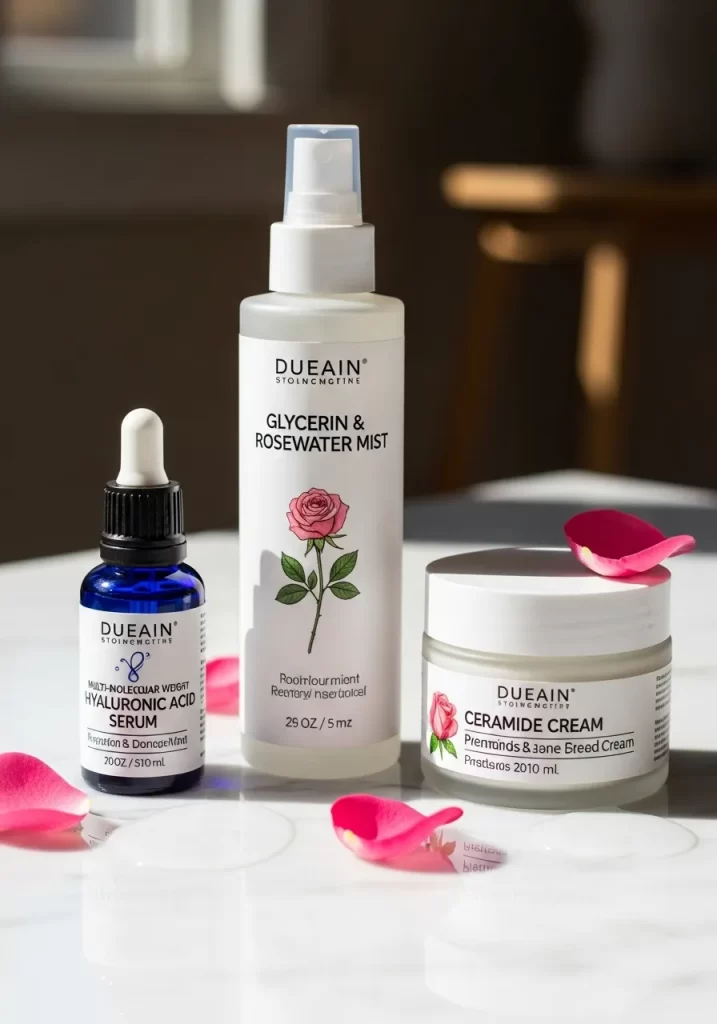
Think of your skincare like getting dressed in the winter. You start with a light base layer and add thicker layers on top. For your skin, this means applying products from the most watery to the most creamy. A hydrating mist or toner goes first, followed by a light serum, and then a richer cream or moisturizer.
This method allows each product to be absorbed properly. The lighter, water-based products deliver hydration deep into the skin, while the thicker creams on top create a seal. This seal locks in all the moisture from the previous steps, keeping your skin feeling plump and hydrated for much longer.
DIY Simple Rosewater and Glycerin Mist
This homemade mist is a great first layer of hydration.
What You Will Need:
- A clean spray bottle.
- 1/2 cup of rosewater.
- 1 teaspoon of vegetable glycerin.
Step-by-Step Guide:
- Gather Your Supplies: Make sure your spray bottle is completely clean. You can find rosewater and glycerin at most drugstores or health food stores.
- Combine the Ingredients: Carefully pour the rosewater into the spray bottle. A small funnel can help with this.
- Add the Magic Ingredient: Add the teaspoon of glycerin to the bottle. Glycerin is a humectant, which means it pulls moisture from the air to your skin.
- Shake it Up: Close the spray bottle tightly and give it a good shake to mix the rosewater and glycerin together.
- How to Use: After washing your face, hold the bottle about eight inches away and spritz it all over. While your skin is still damp from the mist, apply your serum or moisturizer. You can also use it to refresh your skin during the day.
2. Fortify Your Skin with Ceramide Moisturizers

Think of your skin’s outer layer like a brick wall. The skin cells are the bricks, and the mortar holding it all together is made of lipids, with ceramides being the most important. When you have enough ceramides, your skin barrier is strong and healthy, effectively keeping moisture in and irritants out.
Dry, flaky skin is often a sign of a damaged skin barrier with low ceramide levels. Using a moisturizer that is rich in ceramides is like repairing that wall. It helps to replenish your skin’s natural barrier, reducing water loss and restoring a smooth, resilient surface.
DIY Simple Oat and Honey Soothing Mask
Oats contain lipids and sugars that can help to support the skin’s barrier.
What You Will Need:
- 2 tablespoons of finely ground oatmeal (colloidal oatmeal is great).
- 1 tablespoon of warm water.
- 1 teaspoon of honey.
- A small bowl.
Step-by-Step Guide:
- Grind Your Oats: If you don’t have colloidal oatmeal, you can make your own by grinding regular rolled oats in a clean coffee grinder until they are a fine powder.
- Mix with Water: Put the ground oatmeal in your bowl and add the warm water. Stir it until it forms a thick, creamy paste.
- Add the Honey: Stir in the honey. Honey is a natural humectant, which means it helps to draw moisture into the skin.
- Apply to Your Face: Spread the paste evenly over your clean, dry face.
- Let it Sit: Relax for about 10-15 minutes. The mask will feel soothing and comfortable.
- Rinse Gently: Rinse the mask off with lukewarm water, using your fingertips to gently massage your skin as you rinse. Pat your face dry and follow up with your ceramide moisturizer.
3. Choose an Alcohol-Free Toner

Many toners, especially older formulas, contain high concentrations of alcohol. Alcohol gives a product that quick-drying, “clean” feeling, but it can be very harsh on the skin. It works by stripping away your skin’s natural oils, which are essential for maintaining a healthy moisture barrier.
Using a toner with alcohol can disrupt this barrier, leading to increased water loss and that tight, dry feeling. Instead, look for hydrating, alcohol-free toners. These are often formulated with gentle, moisture-boosting ingredients like glycerin, hyaluronic acid, or soothing botanical extracts that help to calm and hydrate the skin after cleansing.
DIY Soothing Green Tea and Cucumber Toner
This homemade toner is gentle, refreshing, and completely alcohol-free.
What You Will Need:
- 1 green tea bag.
- 1/2 cup of hot water.
- A 2-inch piece of cucumber.
- A blender and a fine mesh strainer or cheesecloth.
- A clean bottle for storage.
Step-by-Step Guide:
- Brew the Green Tea: Place the green tea bag in a mug and pour the hot water over it. Let it steep for about 10 minutes to get all the soothing benefits. Then, remove the tea bag and let the tea cool down completely.
- Prepare the Cucumber: Chop the piece of cucumber into smaller chunks. You do not need to peel it.
- Blend Them Together: Pour the cooled green tea and the cucumber chunks into your blender. Blend them together until the mixture is smooth.
- Strain the Liquid: Pour the blended mixture through your fine mesh strainer or a piece of cheesecloth into a clean bowl. This will separate the liquid toner from the cucumber pulp.
- Bottle it Up: Carefully pour the strained liquid into your clean bottle. Store your fresh toner in the refrigerator.
- How to Use: After cleansing your face, apply the toner with a cotton pad. Let it absorb into your skin before applying your serum and moisturizer. Use it within one week.
4. Protect Your Skin with a Healing Ointment

When your skin is extremely dry, cracked, or irritated, it needs more than just a regular moisturizer. It needs a protective barrier to shield it from the environment and give it a chance to heal. This is where a healing ointment comes in.
These thick, rich ointments, often containing ingredients like petrolatum or lanolin, work by forming an occlusive layer on the skin’s surface. This layer acts like a bandage, preventing moisture from escaping and protecting the compromised skin from friction and irritants. Applying a thin layer to particularly dry patches, like elbows, heels, or lips before bed can work wonders.
DIY Simple Beeswax and Olive Oil Salve
This homemade salve uses just two ingredients to create a protective barrier for dry skin.
What You Will Need:
- 1/4 cup of olive oil.
- 1 tablespoon of beeswax pastilles.
- A small, clean tin or jar.
- A small pot and a heat-safe bowl for melting.
Step-by-Step Guide:
- Create a Double Boiler: Fill your pot with about an inch of water and place your heat-safe bowl on top. Turn the stove on to a low heat. This will melt your ingredients gently without burning them.
- Melt the Ingredients: Put the olive oil and the beeswax pastilles into the bowl. Let them melt together slowly, stirring occasionally.
- Check for Consistency: Once everything is melted and combined into a clear liquid, you can test it. Dip a spoon into the mixture and put it in the freezer for a minute. If the cooled salve is too soft, add a little more beeswax. If it’s too hard, add a little more oil.
- Pour into Your Tin: When you are happy with the consistency, carefully pour the hot liquid into your clean tin or jar.
- Let it Cool: Set the tin aside at room temperature for a few hours. It will slowly solidify into a smooth, healing salve.
- How to Use: Apply a small amount to any very dry or chapped areas of skin as needed.
5. Gently Exfoliate with Lactic Acid
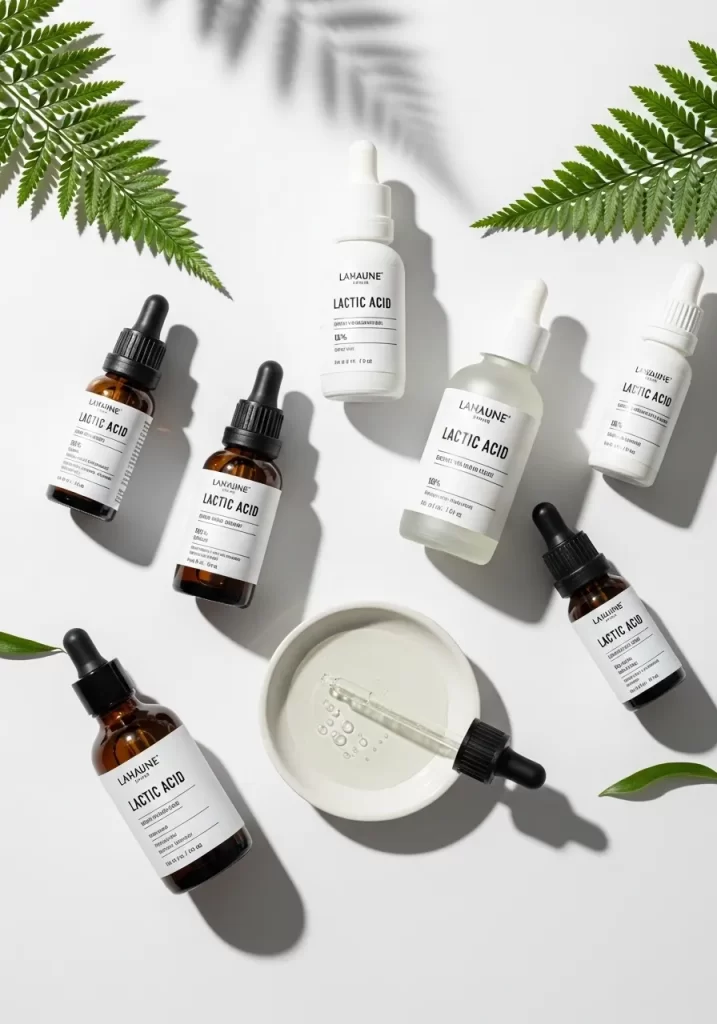
When skin is dry, it is often covered by a layer of dead skin cells that can make the complexion look dull and prevent your hydrating products from being absorbed properly. It can be tempting to use a harsh scrub, but this can cause further irritation.
Lactic acid is a gentle type of alpha-hydroxy acid (AHA). It works by dissolving the “glue” that holds those dead skin cells to the surface, allowing them to be gently washed away. What makes lactic acid special is that it is also a humectant, meaning it helps to attract moisture to the skin. This makes it a great choice for exfoliation that also supports hydration.
DIY Simple Yogurt and Papaya Mask
Yogurt is a natural source of lactic acid, and papaya contains enzymes that also help to gently exfoliate.
What You Will Need:
- 2 tablespoons of plain, full-fat yogurt.
- 2 tablespoons of mashed fresh papaya.
- A small bowl.
Step-by-Step Guide:
- Prepare the Papaya: Take a small slice of ripe papaya and mash it up with a fork until it is a smooth pulp.
- Combine the Ingredients: In your bowl, mix the mashed papaya with the plain yogurt.
- Stir Well: Stir them together until you have a smooth, creamy, orange-colored mask.
- Apply to a Clean Face: Spread the mask evenly over your clean, dry skin, avoiding your eyes.
- Let it Work: Let the mask sit for about 10-15 minutes. You might feel a very slight tingle, which is normal.
- Rinse and Moisturize: Gently rinse the mask off with cool water and pat your skin dry. Follow up immediately with your favorite hydrating serum and moisturizer.
6. Plump Your Skin with Hyaluronic Acid
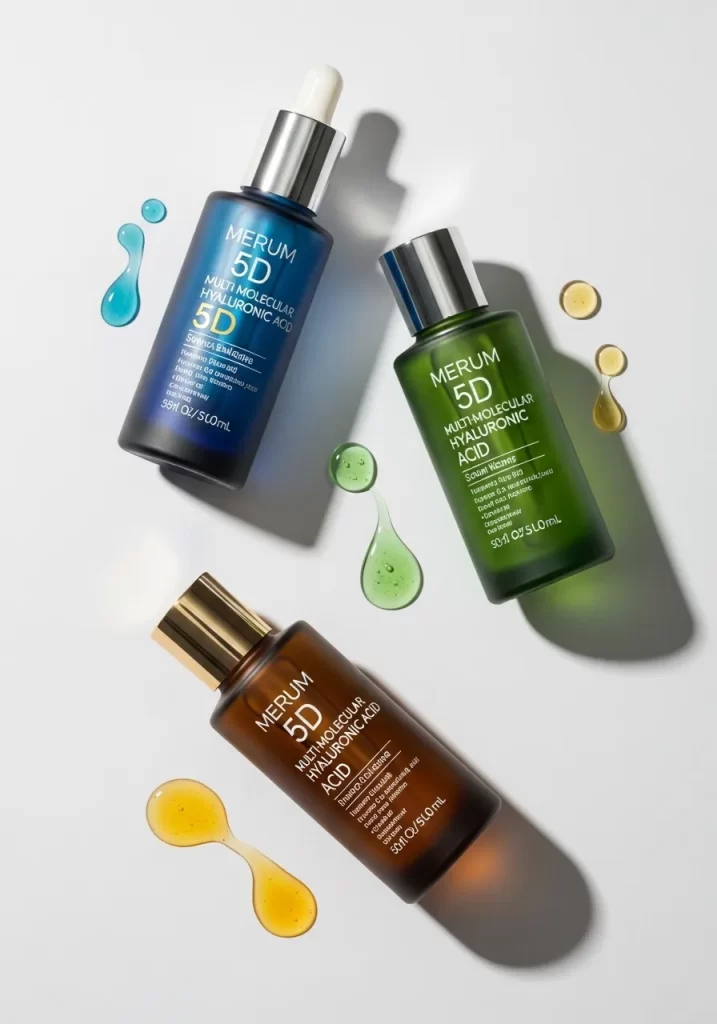
Hyaluronic acid is a superstar ingredient for hydration. It is a type of sugar molecule that occurs naturally in our skin and helps to keep it plump and hydrated. Think of it like a sponge; it can hold up to 1,000 times its weight in water.
When you apply a hyaluronic acid serum to your skin, it acts like a magnet for moisture, pulling water from the air and from your other products into the top layers of your skin. For the best results, apply it to damp skin right after cleansing or misting. Then, be sure to “lock it in” with a good moisturizer on top to prevent that hydration from escaping.
DIY Simple Hyaluronic Acid “Cocktail”
This isn’t about making a serum from scratch, but about making the one you own work even better.
What You Will Need:
- Your favorite hyaluronic acid serum.
- A hydrating facial mist (store-bought or homemade).
- Your favorite moisturizer.
Step-by-Step Guide:
- Start with a Clean Face: Wash your face with a gentle cleanser and gently pat it so it is still slightly damp.
- Mist Your Skin: Hold your hydrating facial mist a few inches from your face and spritz it generously all over. Your face should be damp, not dripping wet.
- Apply the Serum: While your skin is still damp from the mist, dispense a few drops of your hyaluronic acid serum into your palm. Gently press and pat the serum all over your face and neck. The dampness gives the hyaluronic acid the water it needs to grab onto.
- Wait a Moment: Give the serum about 30-60 seconds to absorb into your skin.
- Lock it In: Before the serum has a chance to dry completely, apply your moisturizer over the top. This creates a seal that locks in all that wonderful hydration, keeping your skin plump and dewy.
7. Soften Skin with Squalane Oil
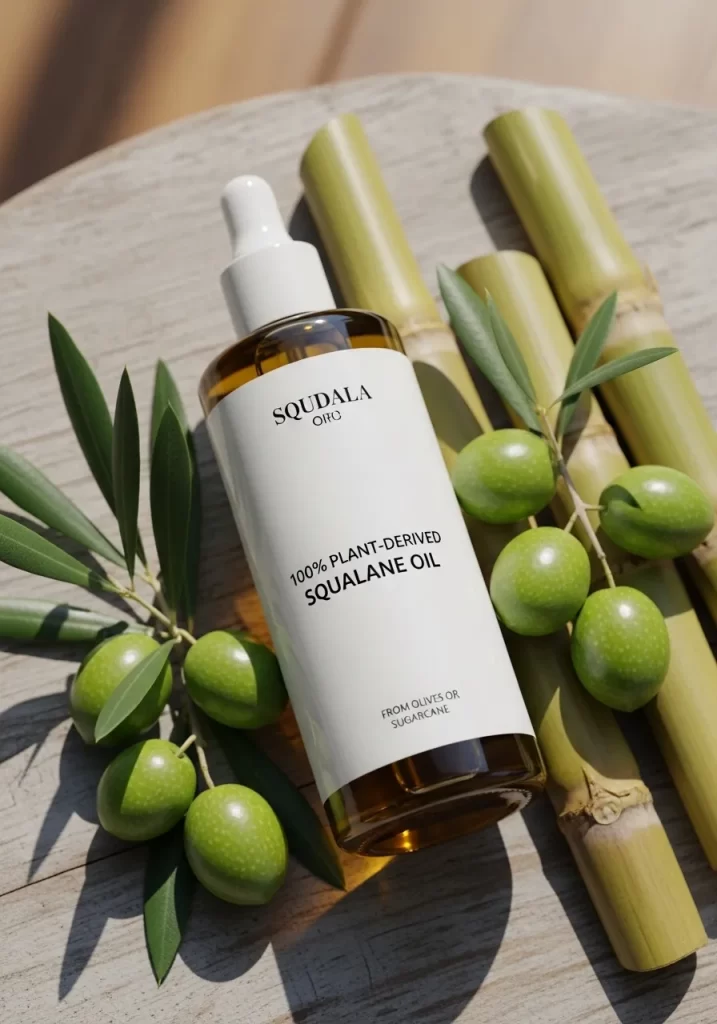
Many people with dry skin are hesitant to use facial oils, fearing they will feel heavy or greasy. Squalane is a unique and lightweight oil that is a wonderful choice for all skin types, especially dry and sensitive ones. Our skin naturally produces a version of this oil, called squalene, so it recognizes it instantly.
Squalane is an excellent emollient, which means it helps to soften and smooth the skin’s surface. It also helps to lock in moisture and support a healthy skin barrier. Because it is so similar to our skin’s own oil, it absorbs quickly and does not feel heavy. A few drops pressed into the skin as the last step of your routine can seal in moisture and leave your skin feeling incredibly soft.
DIY Simple Squalane and Moisturizer Boost
This is a simple way to make your favorite moisturizer even more nourishing.
What You Will Need:
- Your regular daily or nightly moisturizer.
- A bottle of 100% plant-derived squalane oil.
Step-by-Step Guide:
- Cleanse and Prep: Go through your normal skincare routine of cleansing, toning, and applying any serums.
- Dispense Your Moisturizer: Squeeze or scoop out your usual amount of moisturizer into the palm of your hand.
- Add a Boost of Squalane: Add 2-3 drops of squalane oil directly into the moisturizer in your palm.
- Mix Them Together: Use a finger from your other hand to mix the oil and moisturizer together right in your palm.
- Apply to Your Face: Apply the boosted moisturizer to your face and neck as you normally would. The added squalane will give your cream an extra dose of softness and help to lock in hydration without feeling greasy.
8. Cleanse Gently with an Oil or Balm
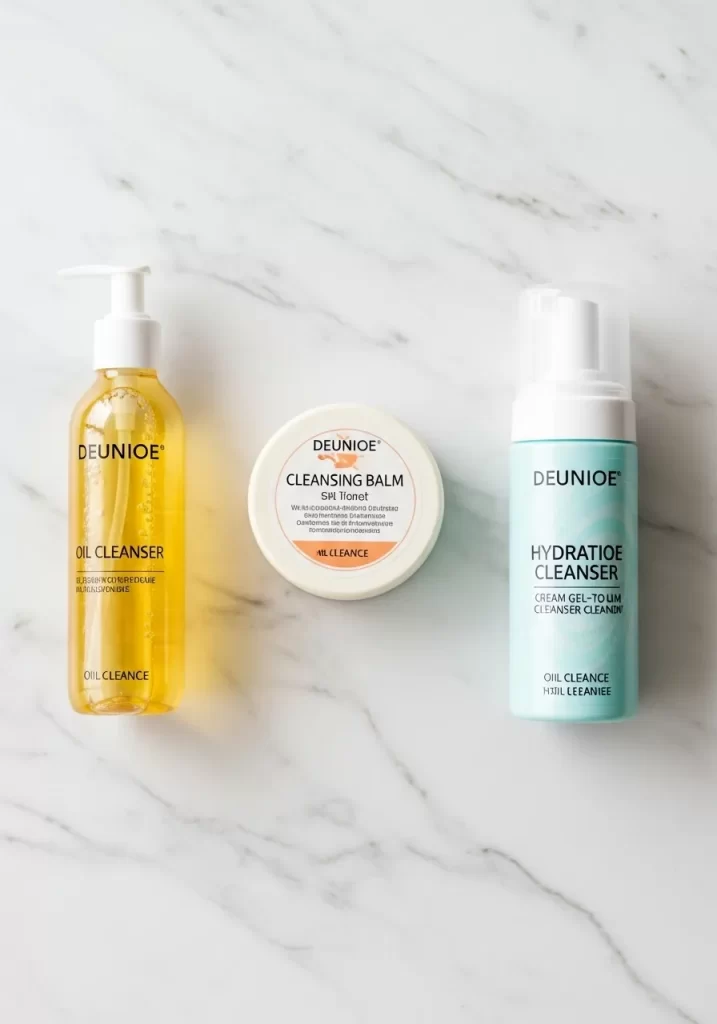
Harsh, foamy cleansers can be one of the biggest culprits behind dry, stripped-feeling skin. They often contain strong detergents that wash away not just the dirt and makeup, but also the essential natural oils that keep your skin’s moisture barrier healthy.
Oil-based cleansers and cleansing balms work in a different way. They use the principle of “like dissolves like.” The oils in the cleanser effectively dissolve and lift away makeup, sunscreen, and excess sebum from your skin without any harsh rubbing or stripping. When you add water, they transform into a milky emulsion that rinses away cleanly, leaving your skin feeling soft, comfortable, and hydrated.
DIY Simple Two-Ingredient Oil Cleanser
This is a basic but effective oil cleanser that you can make at home.
What You Will Need:
- A carrier oil that suits your skin (jojoba, sweet almond, or even olive oil can work).
- A small amount of a richer oil like castor oil (optional, but helps with cleansing).
- A clean, empty bottle, preferably with a pump.
Step-by-Step Guide:
- Choose Your Ratio: A good starting point for dry skin is a mixture of about 90% carrier oil and 10% castor oil. For example, you could use 9 tablespoons of jojoba oil and 1 tablespoon of castor oil. If your skin is very dry, you can skip the castor oil and just use 100% of your chosen carrier oil.
- Combine the Oils: Carefully pour your chosen oils into your clean, empty bottle.
- Shake to Mix: Put the cap or pump on the bottle and shake it gently to combine the oils.
- How to Use: To use your oil cleanser, start with a dry face and dry hands. Dispense a quarter-sized amount of the oil into your palm.
- Massage Your Face: Gently massage the oil all over your dry face for about a minute. This is the step that dissolves all the makeup and grime.
- Emulsify and Rinse: Take a soft washcloth and run it under warm water. Wring it out and lay it over your face for a moment to steam. Then, gently use the washcloth to wipe away all the oil. Your skin will be left clean and soft.
9. Use a Hydrating, Non-Foaming Cleanser
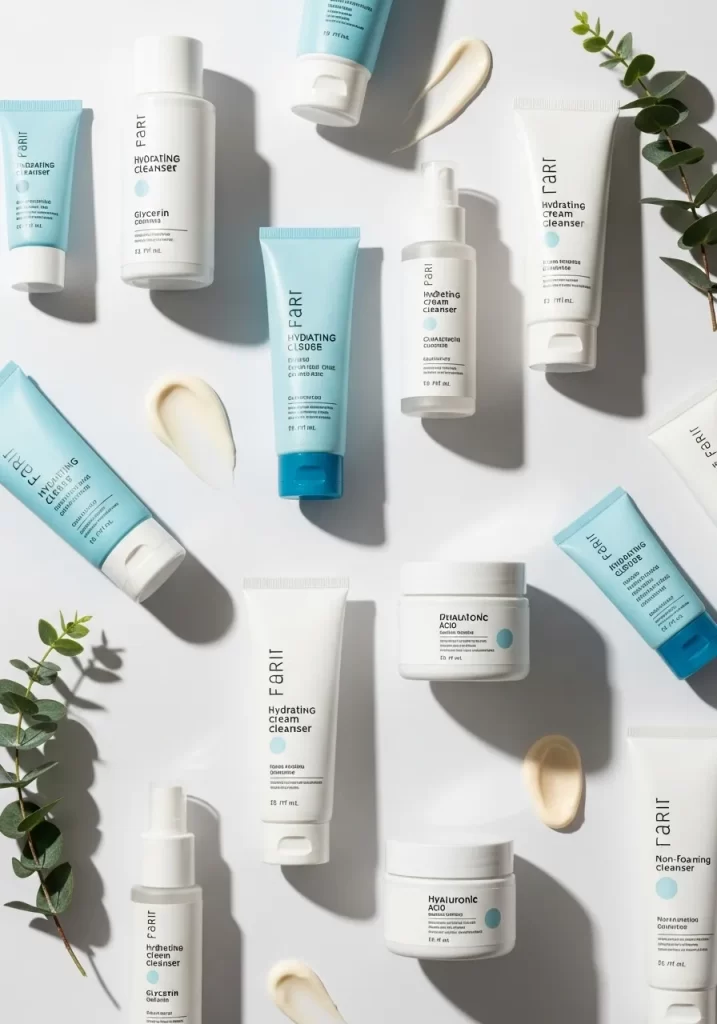
For many people, the satisfying feeling of a rich, bubbly lather is what they associate with being clean. However, the ingredients that create all that foam are often harsh surfactants that can strip the skin of its natural, protective oils. This can leave the skin feeling tight, dry, and vulnerable.
A non-foaming, cream or lotion-based cleanser is a much gentler option for dry skin. These cleansers use mild, non-stripping cleansing agents to lift away dirt and impurities. They often contain hydrating and soothing ingredients, like glycerin and ceramides, that help to support the skin’s moisture barrier. They clean your skin effectively while leaving it feeling soft and comfortable, not tight.
DIY Simple Creamy Oat Cleanser
This cleanser is very gentle and uses the soothing properties of oats and honey.
What You Will Need:
- 1/4 cup of finely ground oats (colloidal oatmeal).
- 2 tablespoons of a gentle liquid oil (like sweet almond or jojoba oil).
- 1 tablespoon of honey.
- A small, clean jar.
Step-by-Step Guide:
- Combine the Ingredients: In your clean jar, add the ground oats, the oil, and the honey.
- Stir Very Well: Mix everything together thoroughly until you have a thick, grainy paste.
- Store It: Keep the jar sealed in a cool, dry place. Because it contains no water, it should last for a few weeks.
- How to Use: To wash your face, take a small, almond-sized amount of the paste into your palm. Add a few drops of warm water and mix it in your hands to create a milky, creamy consistency.
- Gently Massage: Massage the cleanser onto your damp face using gentle, circular motions.
- Rinse Thoroughly: Rinse your face well with lukewarm water and pat it dry with a soft towel. Your skin will feel clean, soft, and nourished.
10. Wash with Lukewarm, Not Hot, Water
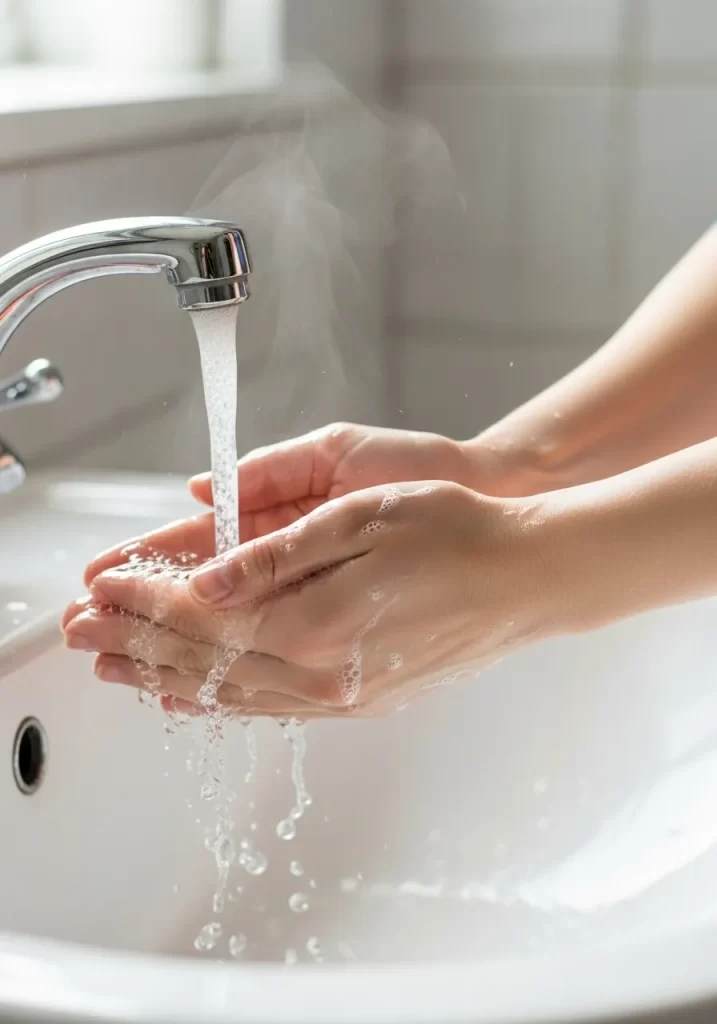
A long, hot shower can feel incredibly relaxing, but it is not doing your dry skin any favors. Hot water is very effective at stripping away your skin’s natural protective oils, which form its moisture barrier. When this barrier is weakened, moisture can easily escape from your skin, leading to that tight, dry, and sometimes itchy feeling after you shower.
Instead, try turning down the temperature. Washing your face and body with lukewarm water is much gentler on your skin. It cleanses effectively without causing the same level of oil-stripping and disruption to your skin’s delicate moisture barrier. This simple change can make a big difference in how your skin feels.
DIY After-Shower Hydration Lock
This isn’t a product to make, but a simple technique to lock in moisture after you wash.
What You Will Need:
- A soft towel.
- Your favorite body lotion or cream.
Step-by-Step Guide:
- Take a Lukewarm Shower: Enjoy your shower or bath, but keep the water at a comfortable, lukewarm temperature, not steaming hot. Try to keep it on the shorter side, around 5-10 minutes.
- Don’t Dry Off Completely: When you are done, step out of the shower and gently pat your skin with the towel. Do not rub your skin dry. You want to leave it feeling slightly damp.
- Apply Moisturizer Immediately: While your skin is still damp, immediately apply a generous amount of your body lotion or cream.
- Massage it In: Massage the lotion all over your body. The moisturizer will mix with the water droplets left on your skin.
- Seal in the Moisture: The lotion will act as a seal, trapping that water from the shower against your skin and preventing it from evaporating. This keeps your skin much more hydrated than if you were to apply lotion to completely dry skin.
11. Create a Complete Hydrating Routine
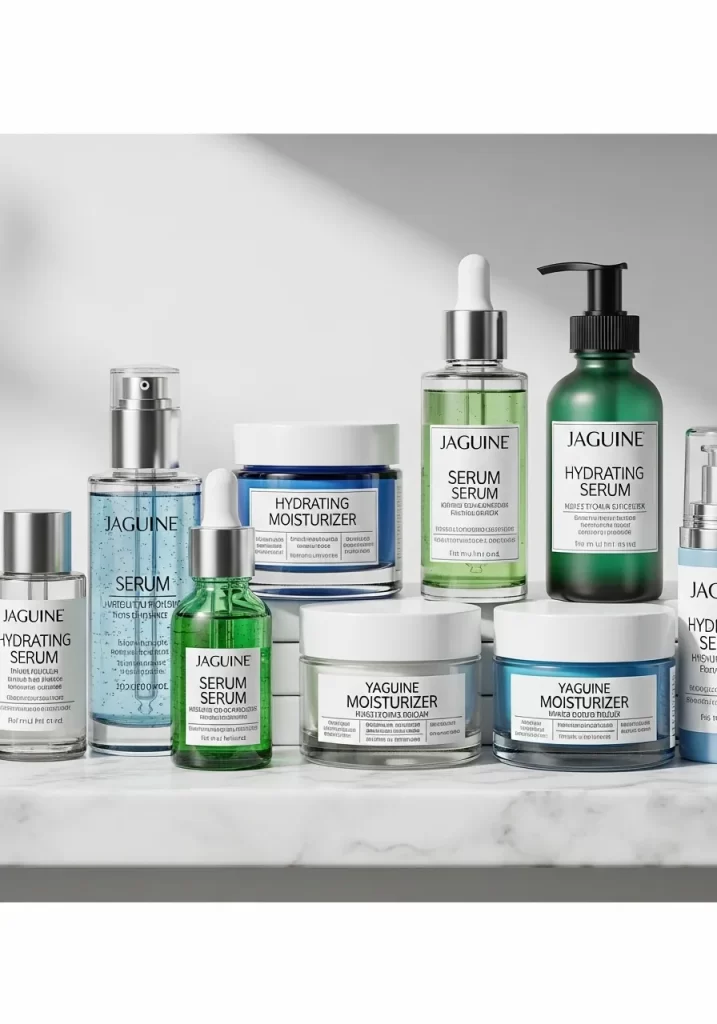
A single hydrating product can help, but a full routine built around moisture will deliver much better results. This means choosing products for every step of your routine that are designed to support hydration, rather than work against it. This creates a cohesive system where each product builds on the last.
Start with a gentle, non-stripping cleanser. Follow with a hydrating toner or essence, then a targeted hydrating serum. Finish with a rich, nourishing moisturizer to seal everything in. By ensuring that none of your products are stripping your skin, you create an environment where your skin can truly hold onto the moisture you are adding back into it.
DIY Simple Skincare Routine Checklist
This is not a product, but a simple checklist you can write down and stick to your mirror to remember the right order of a hydrating routine.
What You Will Need:
- A piece of paper and a pen.
Step-by-Step Morning Routine Checklist:
- [ ] Step 1: Gentle Cleanse: Use a non-foaming, creamy cleanser.
- [ ] Step 2: Hydrating Toner/Mist: Apply an alcohol-free toner to damp skin.
- [ ] Step 3: Hydrating Serum: Gently press in a serum with ingredients like hyaluronic acid.
- [ ] Step 4: Moisturizer: Apply a nourishing cream to your face and neck.
- [ ] Step 5: Sunscreen: This is a crucial step every single morning to protect your skin.
Step-by-Step Evening Routine Checklist:
- [ ] Step 1: First Cleanse (if needed): Use an oil or balm to remove makeup/sunscreen.
- [ ] Step 2: Second Cleanse: Use your gentle, creamy cleanser.
- [ ] Step 3: Hydrating Toner/Mist: Apply your toner to damp skin.
- [ ] Step 4: Treatment/Serum: Apply your hydrating serum or a gentle exfoliating treatment.
- [ ] Step 5: Rich Moisturizer/Night Cream: Apply a thicker cream to lock in moisture while you sleep.
12. Soothe Your Skin with a Colloidal Oatmeal Bath
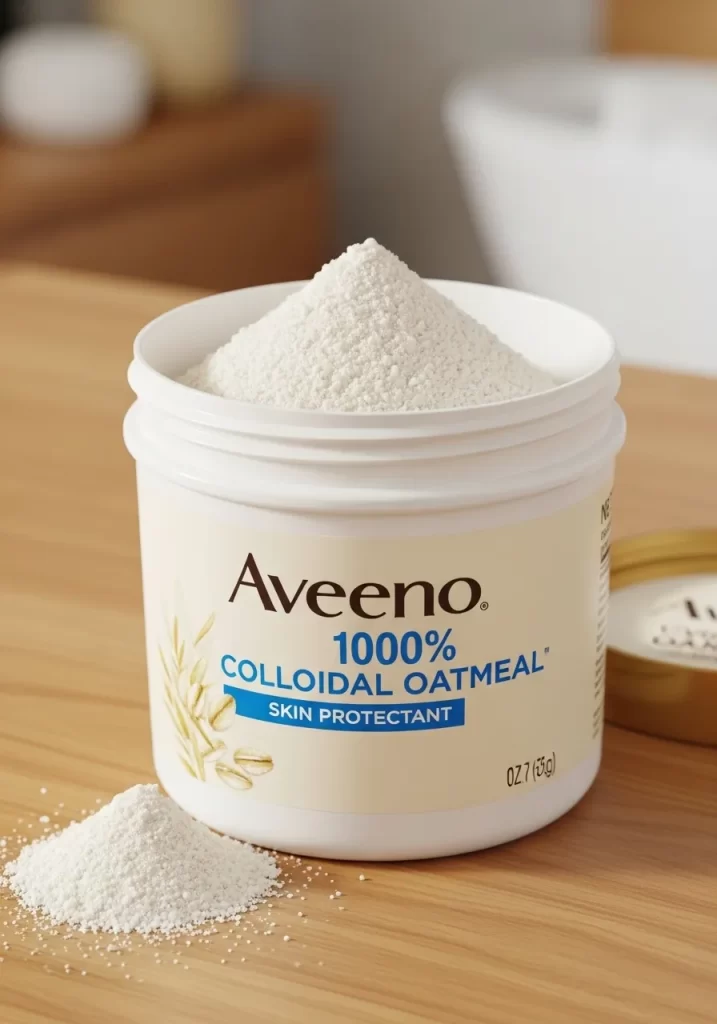
When the skin on your body is dry, itchy, and irritated, a warm bath can provide immense relief, especially when you add the right ingredients. Colloidal oatmeal, which is just oats that have been ground into an extremely fine powder, is a classic and effective remedy that has been used for centuries to soothe distressed skin.
When you add colloidal oatmeal to your bathwater, it creates a milky, skin-softening soak. The compounds in the oats have anti-inflammatory and antioxidant properties that help to calm itching and reduce redness. It also contains fats and sugars that form a protective film on the skin’s surface, which helps to lock in moisture and soothe irritation long after you have stepped out of the tub.
DIY Simple Colloidal Oatmeal Bath Soak
It is very easy to make your own version of this soothing bath treatment at home.
What You Will Need:
- 1 cup of plain, uncooked rolled oats (not instant oatmeal).
- A clean blender, food processor, or coffee grinder.
- A bathtub.
Step-by-Step Guide:
- Grind the Oats: Place the 1 cup of rolled oats into your blender or grinder.
- Blend Until Powdery: Blend the oats on the highest setting for a minute or two. You need to grind them until they have turned into a very fine, airy, white powder.
- Test for Fineness: To check if the powder is fine enough, take a spoonful and stir it into a glass of warm water. If it dissolves easily and turns the water into a milky-looking liquid, it is ready. If it just sinks to the bottom in clumps, you need to blend it more.
- Prepare Your Bath: Start to fill your bathtub with lukewarm water. Remember, hot water can make dry skin worse.
- Add the Oatmeal: As the tub is filling, slowly sprinkle the colloidal oatmeal powder into the running water. This will help it to dissolve and distribute evenly throughout the bath.
- Soak and Soothe: Get into the tub and soak for about 15-20 minutes. Use your hands to gently rub the silky water over any particularly dry or itchy spots. When you get out, gently pat your skin dry and apply moisturizer immediately.
13. Try a Soothing Manuka Honey Mask

Not all honey is created equal when it comes to skincare. Manuka honey, which comes from bees that pollinate the manuka bush in New Zealand, has unique properties that make it especially beneficial for dry, irritated, and even acne-prone skin.
Manuka honey is a powerful humectant, meaning it draws moisture from the air into your skin, providing intense hydration. It also has well-documented anti-inflammatory and antibacterial properties. This helps to soothe redness and irritation, and it can also help to keep pores clean. Applying it as a face mask can leave your skin feeling incredibly soft, calm, and hydrated.
DIY Simple Manuka Honey Face Mask
This is one of the easiest and most effective DIY masks you can make.
What You Will Need:
- 1-2 teaspoons of genuine Manuka honey (look for a UMF or MGO rating on the label).
- A spoon.
Step-by-Step Guide:
- Start with a Clean Face: Make sure your face is clean and slightly damp. You can do this mask after a shower when your skin is warm and your pores are open.
- Warm the Honey (Optional): Manuka honey can be quite thick. To make it easier to spread, you can place the jar in a bowl of warm water for a few minutes. Do not microwave it, as this can destroy some of its beneficial properties.
- Apply the Honey: Using your clean fingertips or the back of a spoon, apply a thin, even layer of the Manuka honey all over your face.
- Let it Work its Magic: Let the mask sit on your skin for 15-20 minutes. It will feel sticky, but it should also feel very soothing.
- Rinse it Off: Rinsing honey can be a bit tricky. The easiest way is to use a soft washcloth soaked in warm water. Gently wipe the honey away. You can also just splash your face with warm water until all the stickiness is gone.
- Feel the Softness: Pat your face dry. Your skin should feel incredibly soft, calm, and moisturized. You can follow up with your regular skincare routine.
14. Treat Cracked Feet with a Urea Cream

The skin on our feet, especially our heels, is naturally thicker and can easily become very dry, rough, and even cracked. This is often because of a heavy buildup of dead skin cells called calluses. For this type of severe dryness, a specialized ingredient like urea is extremely effective.
Urea is a unique ingredient because it is both a powerful humectant and a keratolytic agent. As a humectant, it draws a large amount of moisture into the skin. As a keratolytic, it helps to break down and soften the protein (keratin) that makes up the thick, hard layer of dead skin. This dual action makes it incredibly good at both hydrating and exfoliating tough, callused feet.
DIY Overnight Foot Softening Treatment
This simple overnight treatment helps to soften rough feet and prepare them for moisturizer.
What You Will Need:
- A pair of clean, comfortable cotton socks.
- A thick, rich moisturizer or a healing ointment (a urea cream is great if you have one).
Step-by-Step Guide:
- Soak Your Feet (Optional but Recommended): Before bed, soak your feet in a basin of warm water for 10-15 minutes. This helps to soften the tough skin. You can add some Epsom salts to the water if you like.
- Pat Them Dry: After soaking, gently pat your feet dry with a towel, leaving them just slightly damp.
- Apply a Thick Layer of Cream: Take a very generous amount of your thick moisturizer or healing ointment.
- Massage it In: Massage the cream all over your feet. Pay special attention to your heels and any other rough, callused areas. Do not be afraid to use a lot of product.
- Put on Your Socks: Pull on the pair of cotton socks. The socks do two things: they prevent the cream from getting all over your sheets, and they create a warm, occlusive environment that helps the moisturizer to penetrate deeply into your skin all night long.
- Wake Up to Softer Feet: In the morning, take off the socks. You should notice that your feet feel significantly softer and smoother.
15. Brighten and Smooth with Glycolic Acid
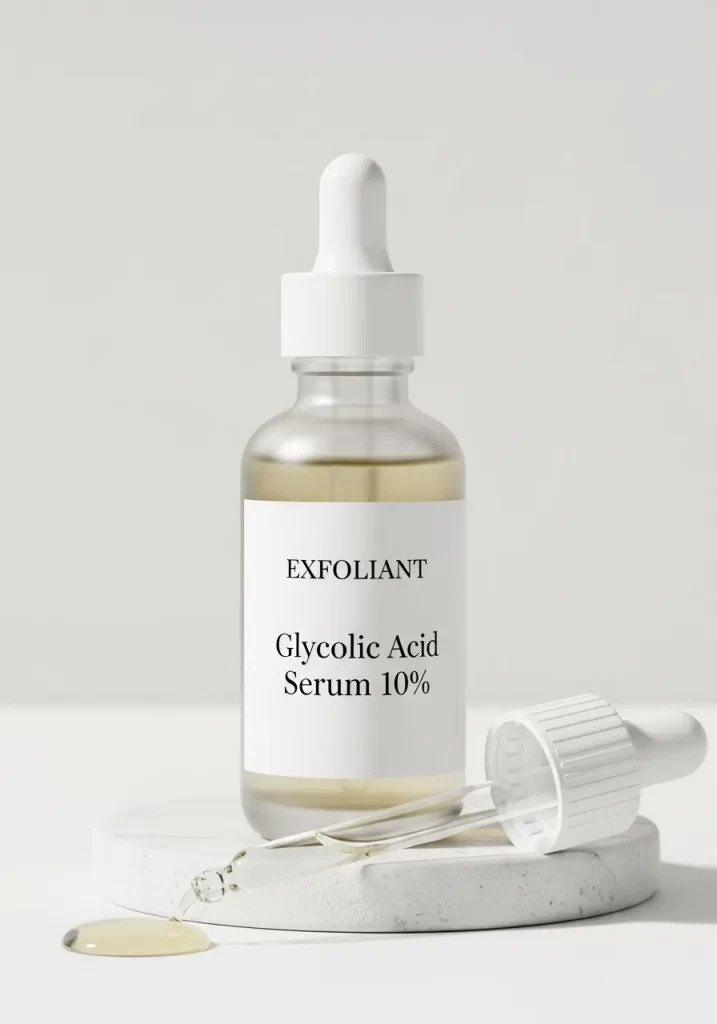
Glycolic acid is another type of alpha-hydroxy acid (AHA), but it has the smallest molecule size of all the AHAs. This tiny size allows it to penetrate the skin’s surface more deeply, making it very effective at exfoliation. It works by dissolving the bonds between dead skin cells, helping to shed the dull, flaky top layer of skin.
This process helps to reveal the newer, brighter, and smoother skin underneath. By removing that layer of dead skin buildup, glycolic acid also helps your hydrating serums and moisturizers to penetrate the skin more effectively, making them work better. Because it is quite potent, it is best to start with a low concentration and use it only a few times a week.
DIY Gentle Sugar and Oil Scrub
Sugar is a natural source of glycolic acid. This scrub provides very gentle exfoliation.
What You Will Need:
- 2 tablespoons of fine brown or white sugar.
- 1 tablespoon of a skin-friendly oil (like olive, jojoba, or coconut oil).
- A small bowl.
Step-by-Step Guide:
- Combine the Ingredients: In your small bowl, add the sugar and the oil.
- Mix Them Together: Stir them until the sugar is completely coated in the oil. It should have the consistency of wet sand.
- Use on Damp Skin: It is best to use this scrub in the shower. After cleansing, take a small amount of the scrub in your hands.
- Gently Massage: Using very light, circular motions, gently massage the scrub onto your face or body. Do not press hard or scrub aggressively. Let the sugar crystals do the work. Focus on areas that feel rough or flaky.
- Rinse Thoroughly: Rinse the scrub off completely with warm water.
- Pat Dry and Moisturize: Gently pat your skin dry. The oil in the scrub will have left behind a light layer of moisture. Be sure to follow up immediately with your favorite moisturizer to lock in that softness.
16. Use a Humidifier While You Sleep

The environment in your home can have a big impact on your skin’s moisture levels. This is especially true during the winter when central heating is on, or in dry climates. Heating and air conditioning systems pull moisture out of the air, creating a very dry environment.
When the air around you is dry, it can start to pull moisture directly from your skin while you sleep, leaving you with a complexion that feels tight and dehydrated in the morning. Running a humidifier in your bedroom at night adds moisture back into the air. This helps to create a more balanced environment, preventing your skin from losing as much water while you sleep.
DIY Simple Humidifying Room Trick
If you do not have a humidifier, this old-fashioned trick can add a little bit of moisture to the air in your room.
What You Will Need:
- A heat-safe bowl (like a ceramic or metal one).
- Hot water.
- A safe, stable surface in your bedroom.
Step-by-Step Guide:
- Boil Some Water: Before you go to bed, boil some water in a kettle or a pot on the stove.
- Find a Safe Spot: Place your heat-safe bowl on a stable, flat surface in your bedroom where it will not be accidentally knocked over. A dresser or a sturdy bedside table is a good spot. Make sure it is out of reach of any pets or children.
- Carefully Pour the Water: Carefully pour the hot, steaming water into the bowl.
- Let it Evaporate: As you sleep, the steam from the hot water will slowly rise and evaporate into the air. This will add a small but noticeable amount of humidity to the room.
- Be Cautious: Always be extremely careful when handling hot water. This method provides gentle, passive humidity. It is not as powerful as a machine, but it can help.
17. Eat Foods Rich in Omega-3 Fatty Acids

What you eat plays a crucial role in the health and hydration of your skin. Healthy fats, particularly omega-3 fatty acids, are essential for building and maintaining a strong skin barrier. These fatty acids are a key component of your skin’s cell membranes and help to produce the natural oils that keep your skin moisturized from the inside out.
A diet rich in omega-3s can help to strengthen your skin’s barrier, making it better at holding onto moisture and protecting itself from irritants. Foods like salmon, walnuts, chia seeds, flaxseeds, and avocados are all excellent sources of these skin-loving fats. Incorporating more of these foods into your diet is a delicious way to support a smooth and supple complexion.
DIY Omega-Rich Smoothie
This simple and delicious smoothie is packed with ingredients that are great for your skin.
What You Will Need:
- 1/2 of a ripe avocado.
- 1 tablespoon of chia seeds or ground flaxseeds.
- A small handful of walnuts.
- 1 cup of a liquid of your choice (like almond milk or water).
- A handful of spinach or kale (optional, for extra nutrients).
- A blender.
Step-by-Step Guide:
- Soak Your Seeds (Optional): If you have time, you can soak the chia or flaxseeds in a little bit of the liquid for about 10 minutes. This helps them to gel up and makes them easier to digest.
- Add Everything to the Blender: Put all of your ingredients—the avocado, seeds, walnuts, liquid, and greens—into your blender.
- Blend Until Smooth: Blend everything together on high speed until the smoothie is completely smooth and creamy. If it is too thick, you can add a little more liquid.
- Pour and Enjoy: Pour the smoothie into a glass and drink it right away. This is a quick and easy way to get a powerful dose of healthy fats to nourish your skin from within.
18. Hydrate from the Inside by Drinking Water

While applying hydrating products to your skin is important, true hydration starts from within. Your skin is your body’s largest organ, and just like any other organ, it needs an adequate supply of water to function properly. When your body is dehydrated, it can pull water from your skin to supply more vital organs, leaving your complexion looking dull and feeling dry.
Making sure you drink enough water throughout the day is one of the simplest and most fundamental things you can do for your skin. While it will not magically solve all dryness issues on its own, staying well-hydrated ensures that your skin cells have the water they need to stay plump and healthy. This provides a baseline of hydration that makes all of your topical products work more effectively.
DIY “Drink Your Water” Reminder System
This is not a recipe, but a simple system to help you remember to drink water all day long.
What You Will Need:
- A large water bottle (around 32 oz or 1 liter is great).
- A permanent marker.
Step-by-Step Guide:
- Mark Your Bottle: Take your empty water bottle and your marker. On one side of the bottle, you are going to draw lines and write down times of the day.
- Create Time Goals: For example, near the top of the bottle, you could write “9:00 AM”. A little further down, write “11:00 AM”. In the middle of the bottle, write “1:00 PM”. And near the bottom, write “3:00 PM”.
- Fill it Up in the Morning: First thing in the morning, fill your water bottle all the way to the top.
- Follow Your Timeline: Your goal is to drink enough water to reach each time-marked line by that time of day. For example, by 11:00 AM, the water level should be down to the “11:00 AM” line.
- Refill and Repeat: If you finish the bottle, that’s great! You can aim to refill it and drink another one in the afternoon. This simple visual guide can be a powerful motivator to keep sipping throughout the day.
19. Sleep on a Silk or Satin Pillowcase

The material your pillowcase is made from can have a surprising effect on your skin’s moisture levels. Traditional cotton pillowcases are very absorbent. As you sleep, they can act like a sponge, wicking away the moisture from your skin and absorbing the expensive night creams and serums you have just applied.
Silk and satin are different. They are much less absorbent materials. They have more “slip,” which means your skin glides over the surface as you move in your sleep, rather than rubbing against it. Switching to a silk or satin pillowcase helps to ensure that your skin, and not your pillow, is getting the full benefit of your nighttime skincare routine. This can help you wake up with a more hydrated and less irritated complexion.
DIY Simple Pillowcase Care Instructions
To get the most out of your special pillowcase, you need to care for it properly.
What You Will Need:
- Your silk or satin pillowcase.
- A gentle, pH-neutral liquid detergent.
- A mesh laundry bag (optional, but highly recommended).
Step-by-Step Guide for Washing:
- Turn it Inside Out: Before you wash it, turn your silk or satin pillowcase inside out.
- Protect it in a Bag: Place the pillowcase inside a mesh laundry bag. This protects it from getting snagged or torn in the washing machine.
- Use a Gentle Cycle: Wash the pillowcase in your washing machine on the most delicate cycle available. Use cold water only.
- Choose the Right Soap: Use a small amount of a gentle detergent that is specifically designed for delicates or says it is pH-neutral. Harsh detergents can damage the delicate fibers.
- Air Dry, Don’t Tumble Dry: This is the most important step. Never put your silk or satin pillowcase in the dryer. The high heat can shrink it and damage the fibers, ruining its smooth texture. Instead, hang it up to air dry, or lay it flat on a clean towel. Keep it out of direct sunlight.
20. Take Shorter, Less Frequent Showers

While it might seem counterintuitive, spending a lot of time in the water can actually dry out your skin. The combination of water (especially hot water) and cleansing products can strip your skin of its natural protective oils. The longer and more frequently you shower, the more this protective barrier can be disrupted.
For people with very dry skin, it can be helpful to take shorter showers, aiming for around 5 to 10 minutes. It may also be beneficial to reduce the frequency of your showers if you are used to taking them more than once a day. This gives your skin more time to recover and replenish its natural oils, helping to keep its moisture barrier intact and healthy.
DIY “Shower Smarter” Checklist
This is a simple set of rules to post in your bathroom to remind you of how to protect your skin while you wash.
What You Will Need:
- A small waterproof note or a piece of paper you can see from your shower.
- A pen.
Step-by-Step “Shower Smarter” Rules:
- Rule #1: Check the Temperature. Before you get in, make sure the water is lukewarm, not hot. If your skin is turning red, the water is too hot.
- Rule #2: Set a Timer. Try to keep your shower time to 10 minutes or less. You can even play a couple of your favorite songs and aim to be done by the time they are over.
- Rule #3: Cleanse Gently. Use a gentle, non-foaming body wash. You only need to use soap on the areas that really need it, like your underarms, groin, and feet. The water itself is enough to rinse the rest of your body.
- Rule #4: Pat, Don’t Rub. When you get out, gently pat your skin with a soft towel. Do not rub it dry.
- Rule #5: Moisturize Within 3 Minutes. This is the golden rule. Apply your body lotion or cream to your still-damp skin within three minutes of getting out of the shower to lock in that moisture.
21. Look for Non-Foaming Cleansers
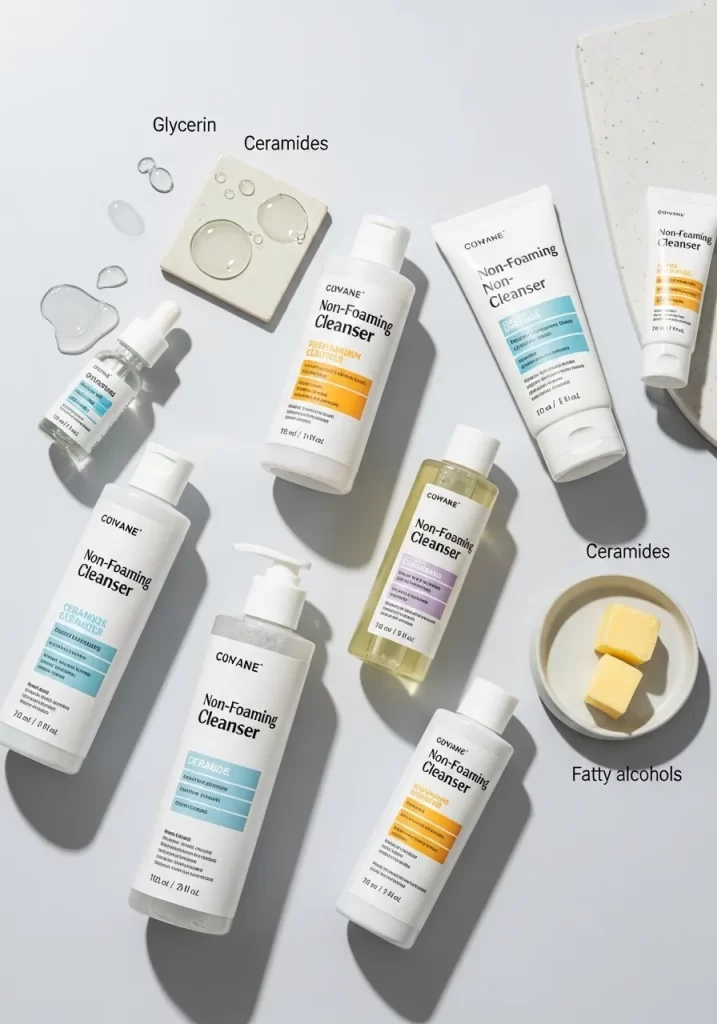
The sensation of a rich, bubbly lather can feel satisfying, but it’s often a sign of harsh cleansing agents called sulfates. These ingredients are very effective at removing oil and dirt, but they don’t distinguish between the excess oil you want to remove and the essential lipids that make up your skin’s protective barrier. This can leave your skin feeling stripped, tight, and dry.
A non-foaming, creamy, or milky cleanser is a much gentler choice. These cleansers use milder surfactants to lift away impurities without disrupting your skin’s delicate moisture balance. They often contain beneficial ingredients like glycerin, ceramides, and fatty alcohols that help to hydrate and support the skin, leaving it feeling clean, soft, and comfortable.
DIY Simple Honey and Yogurt Cleanser
This cleanser is creamy, gentle, and helps to support your skin’s moisture levels.
What You Will Need:
- 1 tablespoon of plain, full-fat yogurt.
- 1 tablespoon of raw honey.
- A few drops of a gentle oil like jojoba or almond oil (optional).
- A small bowl.
Step-by-Step Guide:
- Combine the Ingredients: In your small bowl, mix together the yogurt and the honey. If your skin is very dry, add a few drops of oil for extra nourishment.
- Stir Until Smooth: Stir everything together until you have a smooth, creamy, lotion-like consistency.
- Use on Damp Skin: To wash your face, first dampen your skin with lukewarm water.
- Gently Massage: Take the cleanser on your fingertips and gently massage it onto your damp face using circular motions for about a minute. It will not foam or lather.
- Rinse Thoroughly: Rinse the cleanser off completely with lukewarm water.
- Pat Dry: Gently pat your face dry with a soft towel. Your skin should feel clean but not tight or stripped. Follow immediately with your toner and moisturizer.
22. Incorporate Ectoin for Barrier Protection
Ectoin is a powerful but lesser-known skincare ingredient that is excellent for dry, stressed skin. It is a natural compound produced by microorganisms that live in extreme environments, like salt lakes and deserts. These organisms use ectoin to protect themselves from environmental stressors like dehydration and temperature changes.
In skincare, ectoin works in a similar way. It forms a protective, hydrating shield around your skin cells. This helps to stabilize the skin’s moisture barrier and protect it from environmental damage. It is a fantastic ingredient for soothing inflammation, reducing redness, and providing long-lasting hydration, making the skin more resilient against the factors that cause dryness.
DIY Simple Ectoin-Inspired Soothing Spray
You can’t make ectoin at home, but this spray uses sea salt to mimic the idea of an extremolyte, providing trace minerals to the skin.
What You Will Need:
- 1 cup of distilled water.
- 1/4 teaspoon of high-quality sea salt.
- 1 teaspoon of aloe vera gel.
- A clean spray bottle.
Step-by-Step Guide:
- Warm the Water: Gently warm the distilled water. It does not need to be boiling, just warm enough to help the salt dissolve.
- Dissolve the Salt: Pour the warm water into a clean cup and add the sea salt. Stir until the salt has completely dissolved.
- Cool it Down: Let the saltwater cool down completely to room temperature.
- Add Aloe: Once it is cool, stir in the aloe vera gel. Aloe adds a boost of soothing hydration.
- Bottle it Up: Pour the mixture into your clean spray bottle.
- How to Use: Store the spray in the refrigerator. Use it as a facial mist to soothe and lightly hydrate the skin. Be sure to do a patch test first to make sure your skin tolerates it well.
23. Use Soothing Botanical Extracts
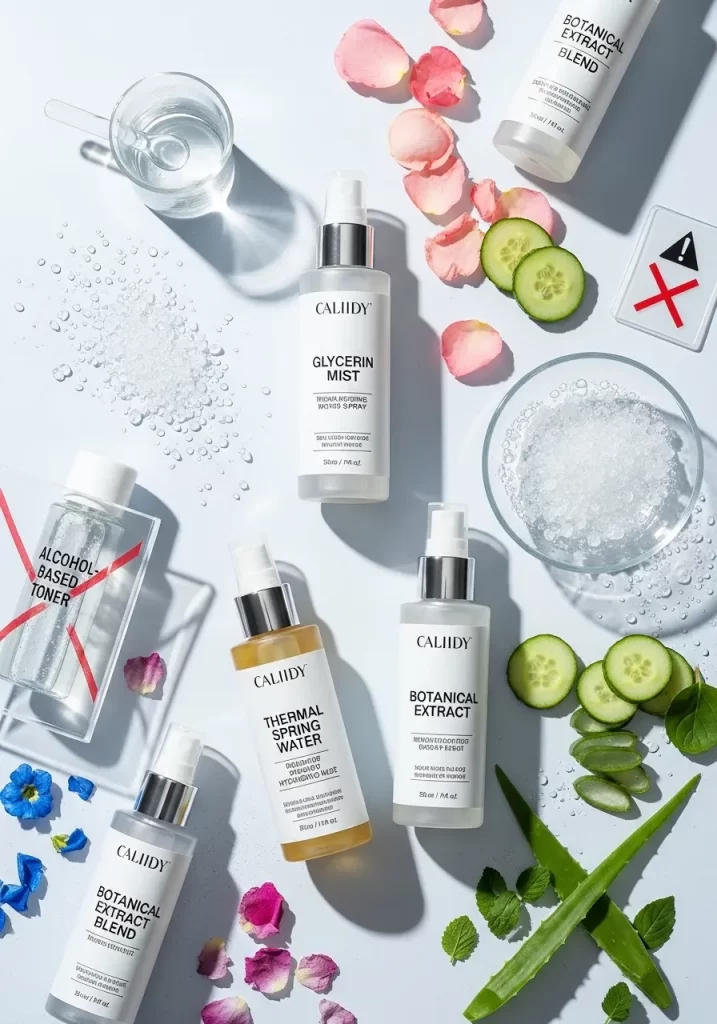
Nature provides a wealth of ingredients that can help to calm and hydrate dry, irritated skin. Botanical extracts are concentrated compounds taken from plants, and many of them have powerful skincare benefits. Look for products that contain ingredients known for their soothing and hydrating properties.
Extracts like cucumber and aloe vera are famous for their cooling and hydrating effects. Rosewater can help to calm redness. Thermal spring water is rich in minerals that can help to soothe sensitivity. By incorporating products with these gentle, natural extracts into your routine, you can help to provide your skin with the comfort and moisture it needs.
DIY Cucumber and Aloe Ice Cubes
These cooling cubes are a wonderful way to soothe red, irritated, or puffy skin.
What You Will Need:
- A 3-inch piece of cucumber.
- 2 tablespoons of pure aloe vera gel.
- A little bit of water.
- A blender.
- An ice cube tray.
Step-by-Step Guide:
- Prepare the Cucumber: Chop the cucumber into small pieces. You do not need to peel it.
- Blend the Ingredients: Put the cucumber pieces and the aloe vera gel into your blender. Add a splash of water to help it blend.
- Create a Slush: Blend everything together until you have a smooth, green, watery slush.
- Freeze into Cubes: Carefully pour the mixture into your ice cube tray.
- Let Them Freeze: Place the tray in the freezer for several hours, until the cubes are frozen solid.
- How to Use: When your skin feels hot or irritated, take one of the cubes out of the tray. Wrap it in a thin, soft cloth (do not apply the frozen cube directly to your skin). Gently glide the wrapped cube over the irritated areas of your face. It provides an instant cooling and soothing sensation.
24. Look for Key Moisturizing Ingredients

Navigating the world of skincare ingredients can be confusing, but knowing a few key players can make it much easier to choose a moisturizer that will actually work for your dry skin. There are a few standout ingredients that are proven to provide excellent hydration and support for the skin barrier.
Humectants like hyaluronic acid and peptides are great because they attract and bind water to the skin. Emollients like shea butter and squalane work to soften and smooth the skin’s surface. And occlusives are essential for forming a protective barrier to prevent moisture loss. A good moisturizer for dry skin will often contain a blend of these different types of ingredients to both add and seal in hydration.
DIY “Read the Label” Skincare Game
This is a fun and educational activity you can do with the products you already own.
What You Will Need:
- The moisturizers, serums, and cleansers you currently use.
- A piece of paper and a pen, or your phone’s notes app.
Step-by-Step Guide:
- Gather Your Products: Line up all of your current skincare products on a table or counter.
- Create Your Checklist: On your paper, make four columns with the following headings: “Humectants,” “Emollients,” “Occlusives,” and “Other.” Under Humectants, write down “Hyaluronic Acid, Glycerin, Peptides.” Under Emollients, write “Shea Butter, Squalane, Jojoba Oil.” Under Occlusives, write “Petrolatum, Lanolin, Dimethicone.”
- Become a Detective: Pick up your first product and look at the ingredients list on the back. Read through the list.
- Find the Key Players: See if you can spot any of the key ingredients from your checklist. When you find one, make a note of it under the correct column on your paper.
- Analyze Your Routine: Do this for all of your products. At the end, you will have a better understanding of what is in your routine. Do you have a lot of humectants but not many emollients? Are you missing an occlusive at night? This can help you figure out what your routine might be lacking.
25. Try a Gentle PHA Toner
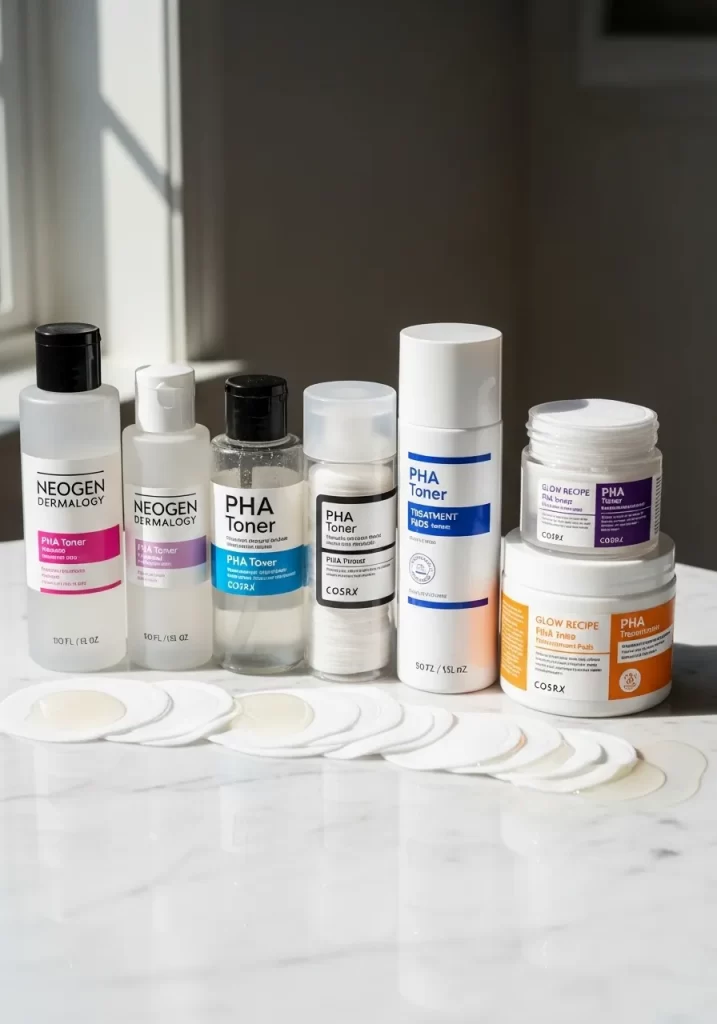
For those with very sensitive skin, even gentle acids like lactic acid can sometimes be too much. Polyhydroxy acids, or PHAs, are a newer and even gentler type of chemical exfoliant. They are often referred to as the next generation of AHAs.
PHAs have a much larger molecule size compared to glycolic or lactic acid. This means they cannot penetrate the skin as deeply, so they work exclusively on the surface. This makes them much less likely to cause irritation. They effectively slough off dead skin cells to smooth and brighten the skin, but they also have humectant properties, meaning they help to hydrate the skin at the same time. This makes them a great choice for dry, sensitive skin that still needs effective exfoliation.
DIY Gentle Honey and Oatmeal “Scrub”
This is less of a scrub and more of a gentle polishing mask that helps to lift away flakes without irritation.
What You Will Need:
- 1 tablespoon of finely ground colloidal oatmeal.
- 1 tablespoon of raw honey.
- A small amount of water.
- A small bowl.
Step-by-Step Guide:
- Combine Oats and Honey: In your small bowl, mix the colloidal oatmeal and the honey together. It will form a very thick, sticky paste.
- Thin it Out: Add a very small amount of water, just a few drops at a time, and stir until the paste has a more spreadable, mask-like consistency.
- Apply to Damp Skin: Apply the mask to your clean, damp face.
- Let it Sit: Let the mask sit on your skin for about 10 minutes. The enzymes in the honey will help to soften the skin.
- Gently Remove: To remove the mask, wet your fingertips with warm water. Using very light, circular motions, gently massage the mask on your skin for about 30 seconds. The soft oatmeal will provide a very mild physical exfoliation.
- Rinse and Pat Dry: Rinse your face thoroughly with lukewarm water and gently pat it dry.
26. Use a Fragrance-Free Routine

Fragrance in skincare products can make them smell lovely, but it is one of the most common causes of sensitivity and allergic reactions. For people with dry, compromised skin, fragrance can be especially irritating. The term “fragrance” or “parfum” on an ingredient list can hide dozens or even hundreds of different chemical compounds.
These compounds can cause inflammation and further damage your skin’s already delicate moisture barrier, leading to more dryness and redness. Choosing products that are explicitly labeled as “fragrance-free” is a simple but powerful way to reduce the risk of irritation. This allows your skin to focus on healing and hydrating, without having to deal with potential irritants.
DIY Simple Two-Ingredient Moisturizing Cream
This cream is completely free of fragrance and any other potential irritants.
What You Will Need:
- 1/4 cup of pure shea butter.
- 2 tablespoons of a pure, skin-friendly oil (like sweet almond, jojoba, or sunflower oil).
- A clean jar.
- A bowl and a fork or small whisk.
Step-by-Step Guide:
- Soften the Shea Butter: If your shea butter is very hard, you can soften it by placing its container in a bowl of warm water for a few minutes. You want it to be soft and easy to stir, not melted.
- Combine the Ingredients: Scoop the softened shea butter into your bowl and add the oil.
- Whip Them Together: Using your fork or a whisk, begin to whip the shea butter and oil together.
- Keep Whipping: Continue to whip the mixture for a few minutes. It will start to get lighter in color and fluffier in texture.
- Store Your Cream: Once it is smooth and creamy, spoon your fragrance-free moisturizer into your clean jar.
- How to Use: Use it as you would any other moisturizer. A little bit goes a long way. It is especially good as a rich night cream or for very dry areas like elbows and knees.
27. Pat, Don’t Rub, Your Skin Dry

The way you dry your face and body after washing can have a real impact on your skin, especially when it is dry and sensitive. Vigorously rubbing your skin with a towel creates friction. This friction can be abrasive, causing micro-tears in the skin’s surface and stripping away some of the oils you want to keep. It can lead to irritation, redness, and can worsen flakiness.
A much gentler method is to pat your skin dry. After cleansing, take your soft, clean towel and gently press or pat it against your skin to absorb the excess water. This method is much less irritating. A great tip is to leave your skin slightly damp. Applying your serums and moisturizers to damp skin helps them to absorb better and allows them to lock in some of that surface water for extra hydration.
DIY “T-Shirt Towel” for Your Face
A regular terrycloth towel can be rough. A soft cotton t-shirt is a much gentler alternative for drying your face.
What You Will Need:
- A clean, soft, 100% cotton t-shirt.
Step-by-Step Guide:
- Wash Your Face: Go through your normal cleansing routine.
- Grab Your T-Shirt: Instead of reaching for your regular bathroom towel, pick up your clean cotton t-shirt.
- Gently Pat: Use the soft fabric of the t-shirt to gently pat your face. Press it against your forehead, your cheeks, and your chin to blot away the excess water.
- Leave it Damp: Do not try to get your face completely bone-dry. The goal is to absorb the dripping water while leaving the surface of your skin feeling cool and slightly damp.
- Apply Your Products: Immediately follow up with your hydrating toner, serum, and moisturizer. This technique is incredibly simple, but it can significantly reduce the amount of daily friction and irritation your skin is exposed to.
28. Make Glycerin a Hero Ingredient
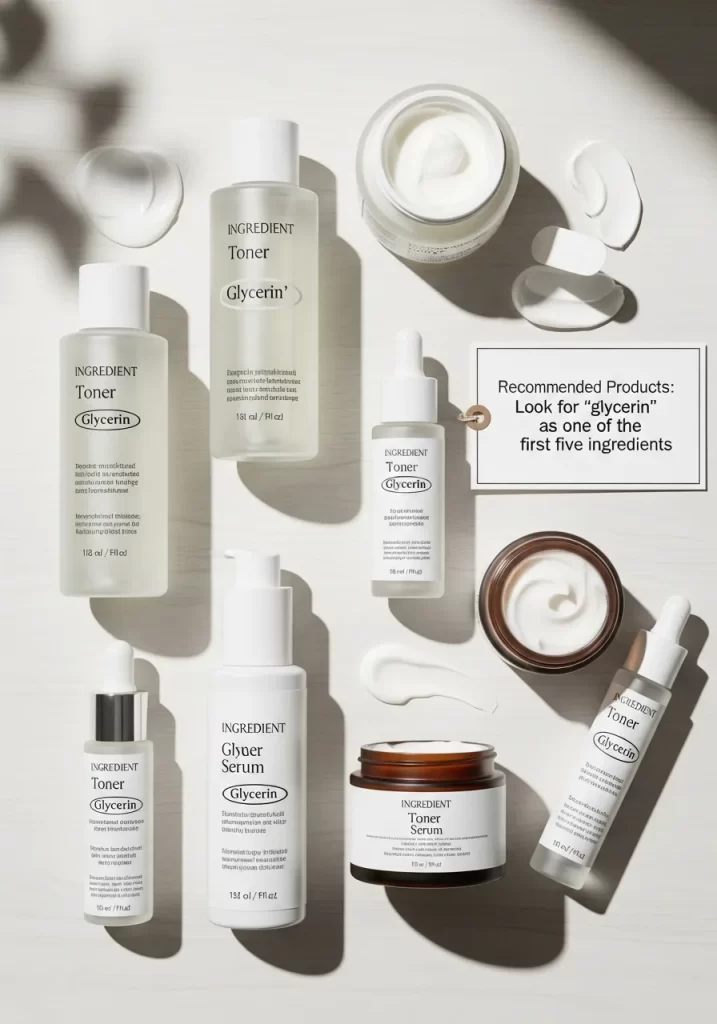
Hyaluronic acid gets a lot of attention, but glycerin is another incredibly effective and affordable humectant that is a hero for dry skin. Like hyaluronic acid, glycerin is a moisture magnet. It works by pulling water from the deeper layers of your skin and from the humidity in the air into the top layer of your skin.
Glycerin not only hydrates but also helps to improve skin barrier function and protect against irritation. It is a time-tested ingredient that is found in countless skincare products for a reason. When you are looking for new products, check the ingredient list. Seeing glycerin listed as one of the first five ingredients is a good sign that the product is formulated to be truly moisturizing.
DIY Simple Glycerin and Rosewater Toner
This is a classic, simple, and very effective hydrating toner that you can make at home.
What You Will Need:
- 1/2 cup of pure rosewater.
- 1 tablespoon of vegetable glycerin.
- A clean bottle.
Step-by-Step Guide:
- Choose Your Ingredients: You can find both rosewater and vegetable glycerin at most health food stores or online. Look for pure ingredients without any additives.
- Combine Them: Using a small funnel if you have one, carefully pour the rosewater into your clean bottle.
- Add the Glycerin: Add the tablespoon of glycerin to the bottle.
- Shake to Mix: Screw the cap on tightly and shake the bottle well to completely combine the glycerin and the rosewater. The mixture should be clear.
- How to Use: After cleansing your face, pour a small amount of the toner onto a cotton pad. Gently sweep it all over your face and neck. Alternatively, you can pour a little into your palms and press it directly into your skin. While your skin is still damp, follow up with your moisturizer to seal in the hydration.
29. Use Nourishing, Non-Comedogenic Oils
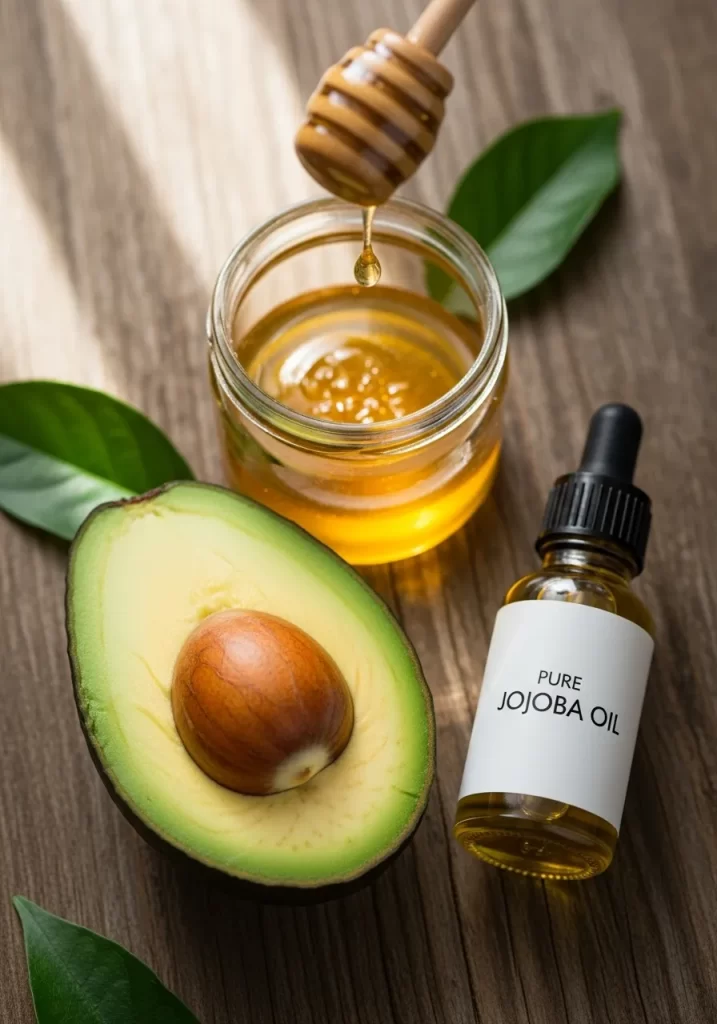
The right facial oil can be a game-changer for dry skin, helping to replenish the skin’s natural lipid layer and lock in moisture. However, it is important to choose oils that will not clog your pores, which are known as non-comedogenic oils.
Oils like jojoba, avocado, and rosehip seed oil are fantastic choices. Jojoba oil is particularly noteworthy because its molecular structure is very similar to our skin’s own natural sebum, so it is easily absorbed. Avocado oil is rich in fatty acids and vitamins that deeply nourish the skin. These oils help to soften, moisturize, and support a healthy skin barrier without feeling heavy or causing breakouts.
DIY Simple Nourishing Facial Oil Blend
This blend is simple to make and provides deep nourishment for dry skin.
What You Will Need:
- A small, clean, dark glass dropper bottle (a 1 oz or 30 ml bottle is a good size).
- Jojoba oil.
- Rosehip seed oil.
- A small funnel (optional, but helpful).
Step-by-Step Guide:
- Prepare Your Bottle: Make sure your dropper bottle is completely clean and dry. A dark glass bottle is best because it helps to protect the oils from light, which can make them go bad faster.
- Create Your Blend: A simple and effective blend is to use two parts jojoba oil to one part rosehip seed oil. For a 30 ml bottle, you could use 20 ml of jojoba oil and 10 ml of rosehip seed oil.
- Fill the Bottle: Using your small funnel, carefully pour the oils into the bottle.
- Mix Gently: Put the dropper cap on and gently roll the bottle between your hands to mix the oils together.
- How to Use: This oil should be the very last step in your skincare routine at night (or the step just before sunscreen in the morning). After applying your moisturizer, dispense 3-4 drops of the oil blend into your palms. Rub your palms together to warm the oil, and then gently press your palms onto your face and neck.
30. Try a Soothing Green Tea Compress
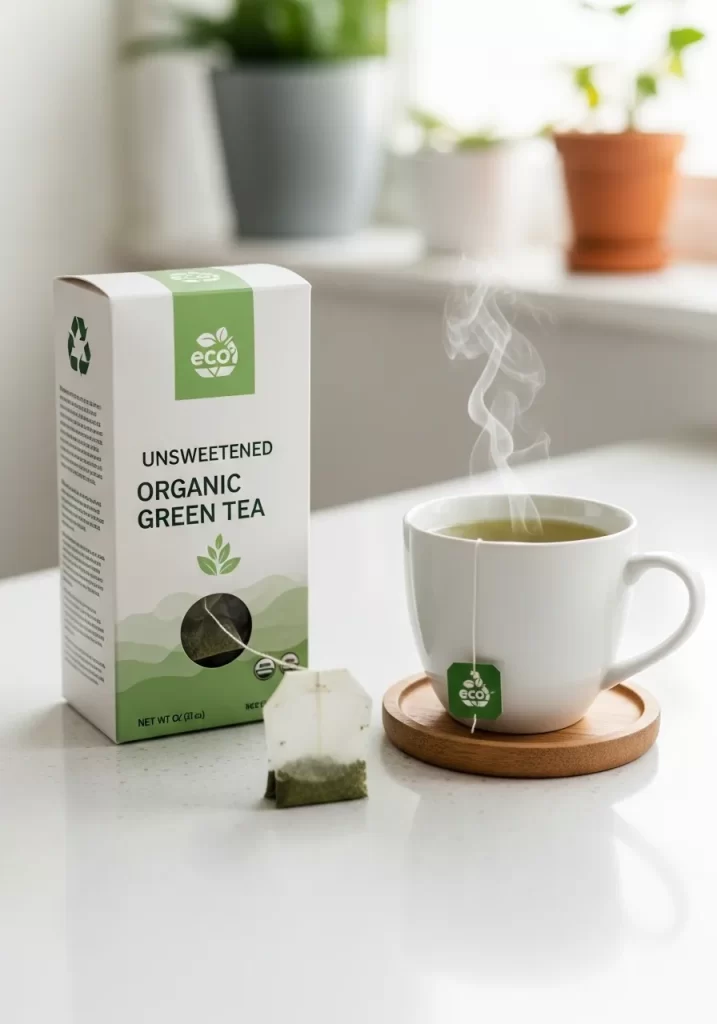
Green tea is not just a healthy beverage; it is also a wonderful ingredient for your skin. It is packed with powerful antioxidants and has significant anti-inflammatory properties. These properties make it excellent for calming the redness and irritation that often accompany dry, sensitive skin.
When your skin is feeling particularly tight, stressed, or uncomfortable, a cool green tea compress can provide instant relief. The coolness helps to constrict blood vessels, which can reduce redness, while the compounds in the green tea help to soothe the underlying inflammation. It is a simple, gentle, and effective way to give your skin a moment of calm.
DIY Simple Green Tea Soothing Compress
This is a very easy and effective way to calm irritated skin.
What You Will Need:
- 1-2 green tea bags.
- 1 cup of hot water.
- A soft, clean washcloth.
- A bowl.
Step-by-Step Guide:
- Brew a Strong Tea: Place the green tea bags in your bowl and pour the hot water over them. Let the tea steep for at least 10 minutes. You want the tea to be very strong and concentrated to get the most benefits.
- Cool it Down Completely: This is a very important step. Remove the tea bags and place the bowl of tea in the refrigerator. Let it chill until it is completely cool.
- Soak Your Washcloth: Once the tea is chilled, soak your clean washcloth in the cool tea.
- Wring it Out: Gently wring out the washcloth so that it is damp but not dripping wet.
- Apply and Relax: Lie down in a comfortable position and place the cool, damp washcloth over your face.
- Let it Soothe: Leave the compress on your skin for 10-15 minutes. The coolness combined with the anti-inflammatory properties of the green tea will feel incredibly soothing. You can flip the cloth over or re-soak it if it starts to feel warm.
31. Support Your Skin’s Microbiome with Ferments
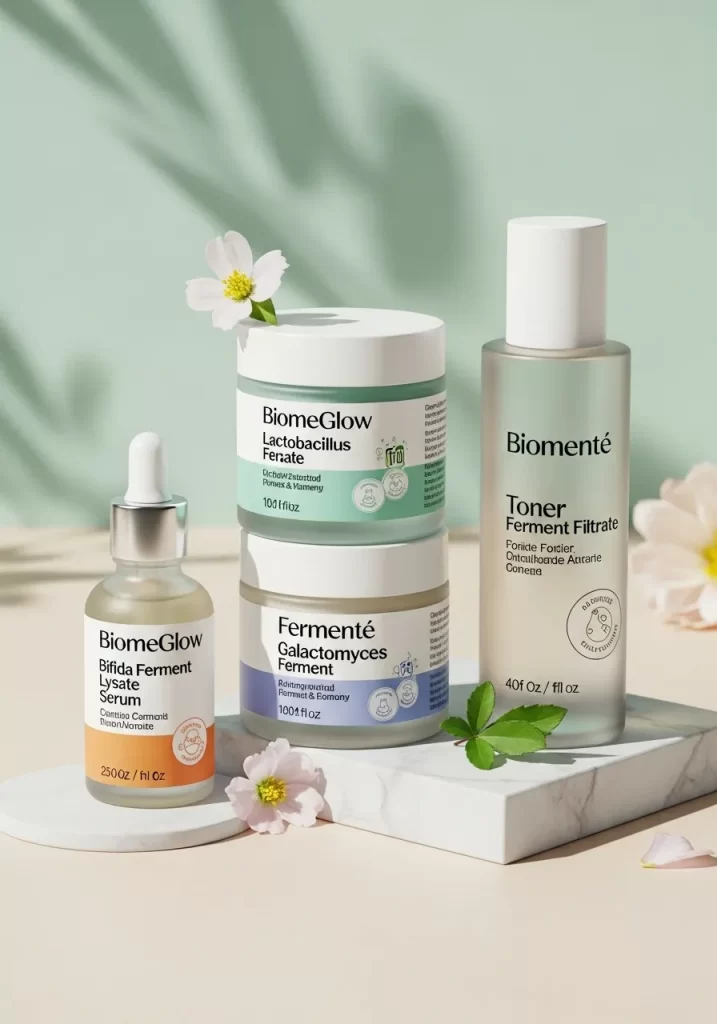
Just like your gut, your skin has its own ecosystem of tiny living organisms, called the microbiome. A healthy and balanced microbiome is essential for a strong skin barrier. When this balance is off, it can lead to issues like dryness and sensitivity.
Skincare products with fermented ingredients, like lactobacillus or galactomyces, can help to support this delicate ecosystem. These ingredients are a source of probiotics and postbiotics, which help to strengthen your skin’s natural defenses. A happy microbiome means a healthier barrier, and a healthier barrier is much better at retaining moisture and staying calm.
DIY Simple Yogurt and Honey Face Mask
Yogurt is a natural source of probiotics (specifically lactobacillus) that can help to support your skin’s surface.
What You Will Need:
- 2 tablespoons of plain, full-fat yogurt (make sure it has live and active cultures).
- 1 teaspoon of raw honey.
- A small bowl.
Step-by-Step Guide:
- Choose Your Yogurt: Spoon the plain yogurt into your bowl. It is important to use yogurt that says “live and active cultures” on the label, as this contains the beneficial bacteria.
- Add the Honey: Drizzle the honey into the yogurt. Honey adds extra moisture and has soothing properties.
- Mix Them Together: Stir the yogurt and honey until they are well combined into a smooth, creamy mask.
- Apply to a Clean Face: Apply a thin layer of the mask to your clean, dry face.
- Let it Sit: Relax for about 10-15 minutes while the mask works. You might feel a gentle cooling sensation.
- Rinse Clean: Gently rinse the mask off with lukewarm water and pat your skin dry with a soft towel. Follow up with your moisturizer.
32. Try Double Cleansing with a Nourishing Balm

For those who wear makeup or sunscreen, a single cleanse might not be enough to get everything off, but a harsh cleanser can strip the skin. Double cleansing is a gentle yet thorough method. It involves using an oil-based cleanser or balm first, followed by a water-based cleanser.
The cleansing balm works to dissolve and lift away makeup, sunscreen, and excess oil without friction. When you add water, it emulsifies into a milky texture that rinses away easily. Following up with your regular gentle cleanser removes any remaining residue. This two-step process ensures your skin is perfectly clean and ready for your hydrating products, all without stripping its natural moisture.
DIY Simple Solid Cleansing Balm
This balm uses just three ingredients to melt away makeup and impurities.
What You Will Need:
- 2 tablespoons of coconut oil.
- 1 tablespoon of a gentle liquid oil (like sweet almond or jojoba oil).
- 1 tablespoon of beeswax pastilles.
- A small, clean jar.
- A small pot and a heat-safe bowl for melting.
Step-by-Step Guide:
- Set Up a Double Boiler: Fill your pot with an inch of water and place the heat-safe bowl on top. Turn the stove on low.
- Melt the Ingredients: Put the coconut oil, almond oil, and beeswax pastilles into the bowl. Let them melt together slowly and gently. Stir them as they melt.
- Pour into Your Jar: Once everything is a clear liquid, carefully pour the mixture into your clean, empty jar.
- Let it Cool and Solidify: Set the jar aside at room temperature for a few hours. It will slowly harden into a soft, solid balm.
- How to Use: Scoop out a small, pea-sized amount with dry fingers. Massage it onto your dry face to melt makeup. Rinse your face with warm water to turn it milky, then rinse it all away. Follow with your regular cleanser.
33. Use Red Light Therapy to Calm Inflammation

Dry skin is often accompanied by underlying inflammation, which can show up as redness and irritation and can further damage the skin barrier. Red light therapy is a gentle, non-invasive treatment that can help to address this.
This technology uses specific wavelengths of red light that penetrate the skin. This light is thought to help reduce inflammation and stimulate the skin cells’ energy centers, which may help them to function better and repair themselves more effectively. Using an at-home LED mask or device consistently can be a useful tool to help calm the skin, support its healing processes, and improve its overall resilience.
DIY Soothing Chamomile Compress
While this doesn’t use light, a chamomile compress is a classic, simple way to help calm red, inflamed-feeling skin.
What You Will Need:
- 1-2 chamomile tea bags.
- 1 cup of hot water.
- A soft, clean washcloth.
- A bowl.
Step-by-Step Guide:
- Brew the Tea: Place the chamomile tea bags in your bowl and pour the hot water over them. Let the tea steep for about 10 minutes to become strong.
- Cool it Down: Remove the tea bags. Place the bowl of tea in the refrigerator until it is completely cool. You want it to be cool and refreshing, not warm.
- Soak the Washcloth: Once the tea is chilled, soak your clean washcloth in the cool chamomile tea.
- Wring it Out: Gently wring out the washcloth so that it is damp but not dripping wet.
- Apply and Relax: Lie down, close your eyes, and place the cool, damp washcloth over your face or on any specific area that feels irritated. Leave it on for 10-15 minutes. The coolness and the properties of the chamomile will feel very soothing. You can re-soak the cloth if it gets warm.
34. Consider Professional Hydrating Treatments

Sometimes, at-home skincare can only do so much, especially if your skin is severely dehydrated. Professional treatments can provide a much-needed intensive boost of hydration that helps to reset your skin.
Treatments like a HydraFacial, for example, use special devices to cleanse, exfoliate, and infuse the skin with intensive hydrating serums all at once. An esthetician can also perform treatments that use methods like ultrasonic infusion to help moisturizing ingredients penetrate more deeply into the skin than you could achieve at home. A professional treatment every now and then can be a great supplement to your daily routine.
DIY “Flash” Hydration Mask
This simple mask helps to quickly plump the skin with moisture before an event, mimicking the instant glow of a professional treatment.
What You Will Need:
- 1 tablespoon of aloe vera gel.
- 1 teaspoon of vegetable glycerin.
- A few drops of your favorite hydrating serum (optional).
- A small bowl.
Step-by-Step Guide:
- Combine the Ingredients: In your small bowl, mix together the aloe vera gel and the glycerin. If you are using it, add a few drops of your hyaluronic acid or other hydrating serum.
- Stir Well: Stir everything together until you have a smooth, clear gel.
- Apply a Thick Layer: On a clean face, apply a thick, generous layer of the gel. It should feel cool and bouncy on the skin.
- Let it Absorb: Leave the mask on for about 10 minutes. Unlike a clay mask, this one won’t dry down completely.
- Rinse or Tissue Off: After 10 minutes, you can either rinse the mask off with cool water or gently blot the excess away with a tissue, leaving a thin layer behind. Your skin will feel instantly more plump and hydrated. Follow with your moisturizer.
35. Boost Product Absorption with Dermaplaning
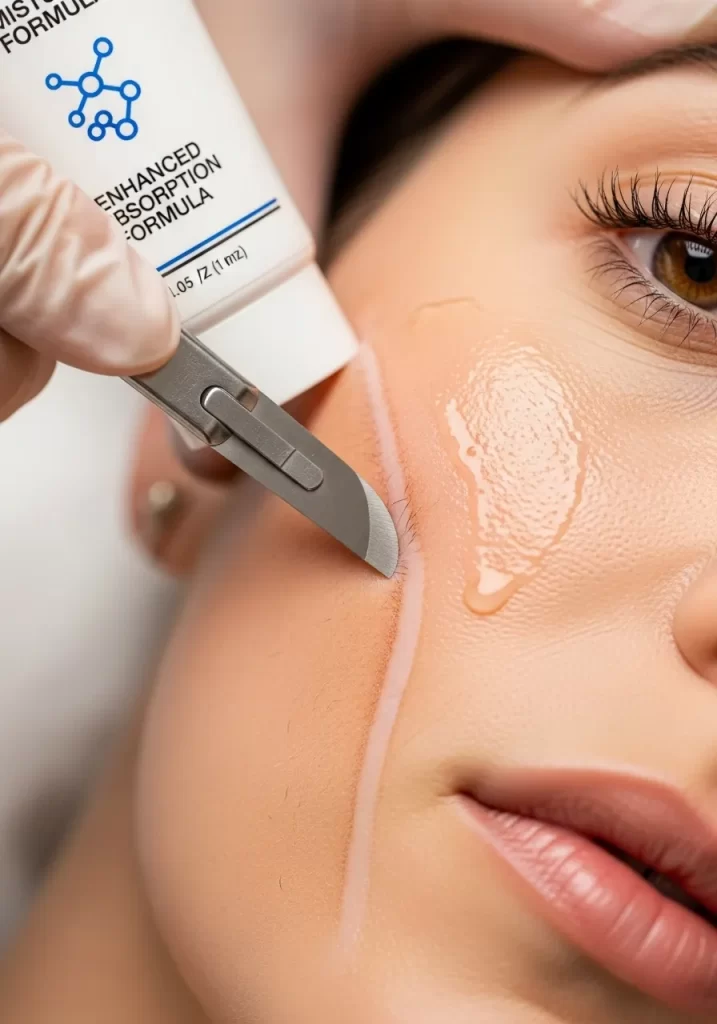
Even the best hydrating serums and creams can’t work properly if they cannot get into the skin. A layer of dead skin cells and fine “peach fuzz” hair on the surface can act like a barrier, preventing your products from absorbing effectively.
Dermaplaning is a type of physical exfoliation, often performed by a professional, that uses a sterile surgical scalpel to gently scrape away that top layer of dead skin and vellus hair. The result is an incredibly smooth surface. With that barrier removed, your hydrating toners, serums, and moisturizers can penetrate the skin much more efficiently, making them more effective.
DIY Gentle Oil and Washcloth Exfoliation
This is NOT dermaplaning and is much gentler, but it uses a similar principle of using a tool to gently remove flaky skin.
What You Will Need:
- A few drops of a non-comedogenic facial oil.
- A soft, slightly textured washcloth (like a baby washcloth).
- Warm water.
Step-by-Step Guide:
- Start with a Clean Face: Wash your face with your gentle cleanser and pat it mostly dry. It should be just slightly damp.
- Apply a Layer of Oil: Massage a few drops of your facial oil all over your face. This creates a protective slip so the washcloth won’t drag on your skin.
- Prepare Your Washcloth: Get your washcloth completely wet with warm water and wring it out very well.
- Gently Exfoliate: Wrap the washcloth around your fingers. Using very light, small, circular motions, gently buff your skin. Pay attention to areas where you have flakes, like around the nose or on the chin. Be extremely gentle.
- Rinse and Moisturize: After about 30 seconds of gentle buffing, rinse your face with cool water to remove the oil and any loosened skin flakes. Pat dry and immediately apply your serums and moisturizer.
36. Alternate Your Exfoliating Acids
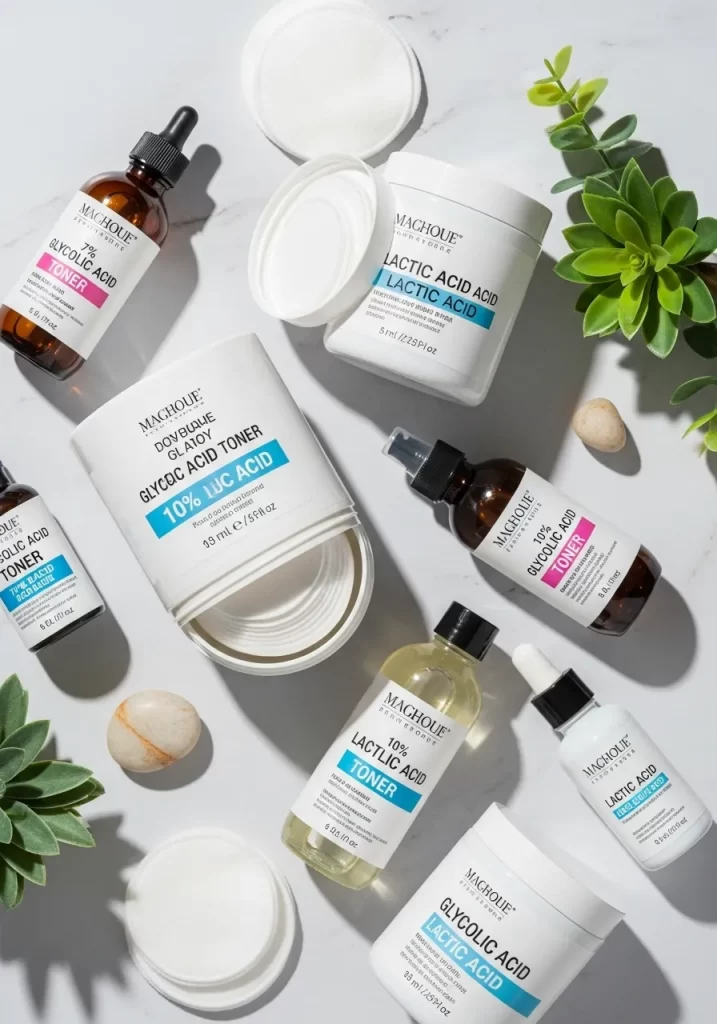
Chemical exfoliants like lactic acid and glycolic acid are fantastic for removing dead skin cells and improving skin texture. However, using them too frequently or using too many at once can be a recipe for irritation. Over-exfoliation can damage your skin’s moisture barrier, leading to even more dryness and sensitivity.
A smart approach is to alternate your acids. Instead of using a strong glycolic acid every single night, try using it just two or three times a week. On the other nights, you could use a gentler lactic acid product, or even better, give your skin a complete break and focus only on hydration and moisturizing. This gives your skin time to recover and reap the benefits of exfoliation without being overwhelmed.
DIY Acid Alternation Schedule
This isn’t a product to make, but a simple weekly schedule to help you use your exfoliating products wisely.
What You Will Need:
- Your stronger exfoliant (like a glycolic acid product).
- Your gentler exfoliant (like a lactic or PHA product).
- Your hydrating and moisturizing products.
Step-by-Step Weekly Plan:
- Monday (Strong Exfoliation): In your evening routine, after cleansing, use your stronger glycolic acid product. Follow it with your moisturizer.
- Tuesday (Hydration Night): Tonight, skip all acids. Just cleanse, use a hydrating toner or serum, and apply a rich moisturizer. Let your skin rest.
- Wednesday (Gentle Exfoliation): In your evening routine, use your gentler lactic acid or PHA product. Follow with your moisturizer.
- Thursday (Hydration Night): Another night off from acids. Focus completely on adding moisture back into your skin.
- Friday (Strong Exfoliation): Use your stronger glycolic acid product again tonight.
- Saturday & Sunday (Recovery Weekend): Give your skin the weekend off. Focus entirely on gentle cleansing, hydration, and rich moisturizing. This schedule provides effective exfoliation while giving your skin plenty of time to repair.
37. Exfoliate Your Body with Dry Brushing

The skin on your body can get just as dry and flaky as the skin on your face, but it is often neglected. Dry brushing is an ancient practice that is a simple and invigorating way to exfoliate your body’s skin and get your circulation moving.
Before you step into the shower, you use a firm, natural-bristle brush on your completely dry skin. The stiff bristles work to physically sweep away dead, flaky skin cells and can help to improve the texture of the skin. This process also helps to prep the skin, allowing your body wash and, more importantly, your post-shower body lotion or oil to absorb more effectively.
DIY Guide to Dry Brushing
This is a step-by-step guide on how to perform this simple technique correctly.
What You Will Need:
- A natural-bristle body brush, preferably with a long handle to reach your back.
Step-by-Step Guide:
- Start Before Your Shower: The key is that both your skin and the brush must be completely dry. Stand in your bathtub or on a tiled floor to catch any falling skin flakes.
- Begin at Your Feet: Start brushing at the soles of your feet. Use light, firm strokes.
- Brush Upwards Towards Your Heart: From your feet, begin brushing up your legs using long, sweeping motions. Always brush in the direction of your heart. Brush each section of skin a few times.
- Move to Your Arms and Torso: Next, brush your hands and move up your arms, again, always towards your heart. When you get to your stomach and chest, you can switch to gentle, circular, clockwise motions.
- Be Gentle: The pressure should be firm but not painful. Your skin might look a little pink afterwards, but it should never be red or scratched. Avoid brushing over any cuts, rashes, or sensitive areas.
- Shower and Moisturize: After you have brushed your whole body, hop in the shower and wash as usual. When you get out, be sure to apply a generous amount of body lotion or oil to your newly exfoliated skin.
38. Use an Exfoliating Body Lotion
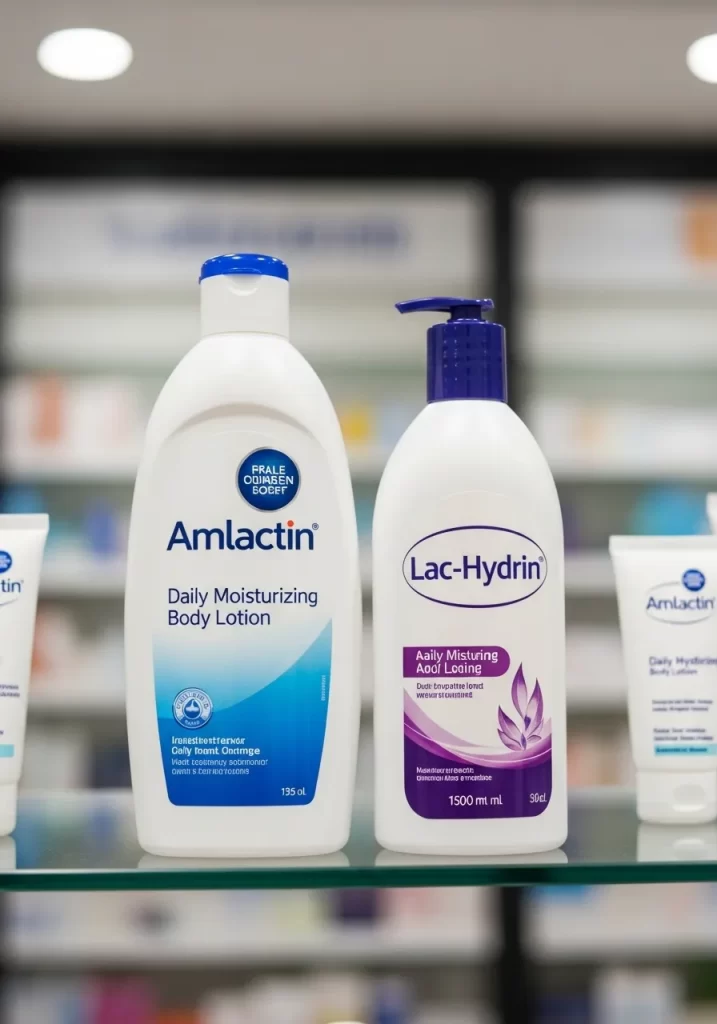
For persistent dryness and rough, bumpy skin on the body (a common condition known as Keratosis Pilaris), a regular moisturizer sometimes isn’t enough. This is where an exfoliating body lotion can make a world of difference.
These lotions are formulated with chemical exfoliants, most commonly alpha-hydroxy acids like lactic acid or ammonium lactate. They work by doing two jobs at once. They provide the hydration and moisturization your skin needs, while the acid gently works to dissolve the bonds holding dead skin cells to the surface. This helps to smooth rough texture, soften bumps, and leave the skin on your body feeling much softer.
DIY Lactic Acid Leg Mask
This mask uses yogurt, a natural source of lactic acid, to help gently smooth the skin on your legs before you moisturize.
What You Will Need:
- About 1/2 cup of plain, full-fat yogurt.
- 1 tablespoon of honey.
- A bowl and a brush or your hands for application.
Step-by-Step Guide:
- Mix Your Ingredients: In your bowl, stir the yogurt and honey together until they are well combined.
- Prepare Your Space: It’s best to do this in the bathroom. Sit on the edge of the tub or on a towel on the floor.
- Apply the Mask: Using your hands or a brush, apply a thick layer of the yogurt mixture all over your legs, from your ankles to your thighs.
- Let it Work: Let the mask sit on your skin and dry for about 15-20 minutes. It will feel a little tight as it dries.
- Rinse Off in the Shower: Step into the shower and rinse the yogurt mask off completely with lukewarm water.
- Pat Dry and Moisturize: After your shower, gently pat your legs dry, leaving them slightly damp. Immediately apply a generous amount of your favorite body lotion to lock in the moisture and build on the softening effects of the mask.
39. Don’t Forget Your Hands, Lips, and Cuticles
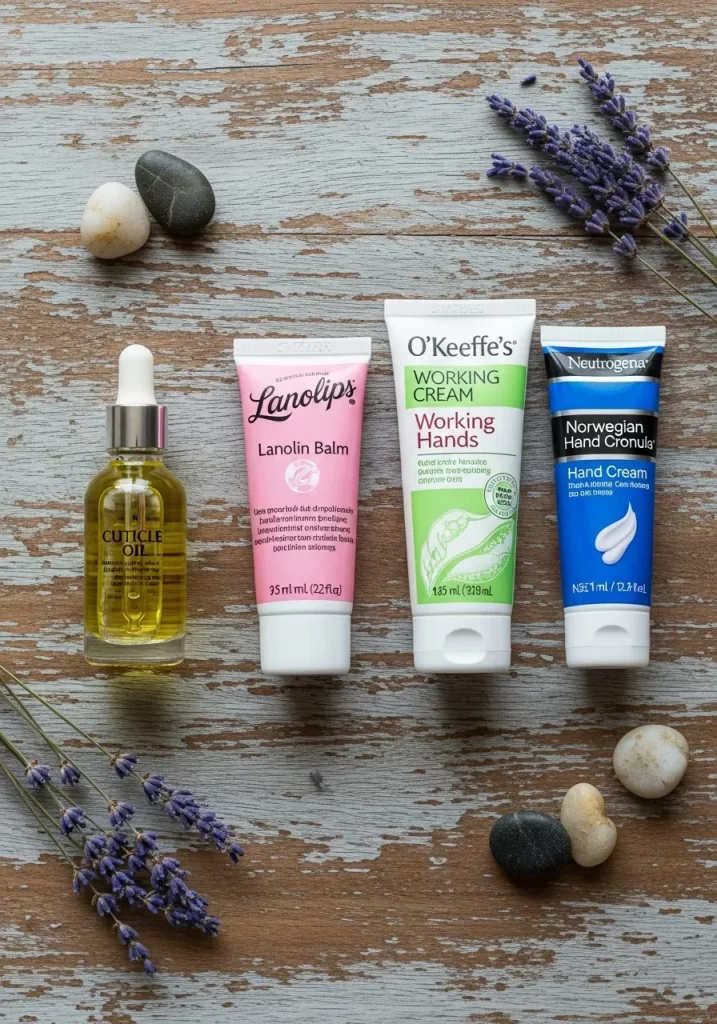
It is easy to focus all of our attention on our face, but other areas of our skin are often the first to show signs of dryness. Our hands are constantly being washed, our lips are exposed to the elements, and our cuticles can easily become dry and ragged.
These areas have thinner skin and fewer oil glands, making them more susceptible to moisture loss. Make it a habit to care for them specifically. Use a dedicated, thick hand cream after every wash. Keep a nourishing lip balm on hand and reapply it throughout the day. And a few times a week, massage a cuticle oil into your nail beds to keep them soft and prevent painful cracking.
DIY Nourishing Cuticle Oil
This simple oil blend is easy to make and very effective for softening dry, rough cuticles.
What You Will Need:
- A small, clean, empty nail polish bottle with its brush, or a small dropper bottle.
- A carrier oil like jojoba oil or sweet almond oil.
- Vitamin E oil (you can use the oil from a capsule).
- A small funnel (optional, but helpful).
Step-by-Step Guide:
- Prepare Your Bottle: Make sure your bottle is completely clean and dry. If you are reusing an old nail polish bottle, clean it thoroughly with nail polish remover, then soap and water, and let it dry completely.
- Fill with Carrier Oil: Using your funnel, fill the bottle about three-quarters full with your chosen carrier oil. Jojoba oil is a great choice because it absorbs well.
- Add Vitamin E: Puncture one Vitamin E oil capsule with a clean pin and squeeze the oil into the bottle. Vitamin E is very nourishing and helps to heal cracked skin.
- Mix it Up: Put the brush or cap back on the bottle and shake it gently to combine the oils.
- How to Use: A few times a week, or whenever your cuticles feel dry, use the brush to apply a small amount of oil to the cuticle of each nail. Gently massage the oil into the skin around your nail bed. It’s especially nice to do this before you go to sleep.
40. Use Targeted Acids for Body Bumps and Flakes
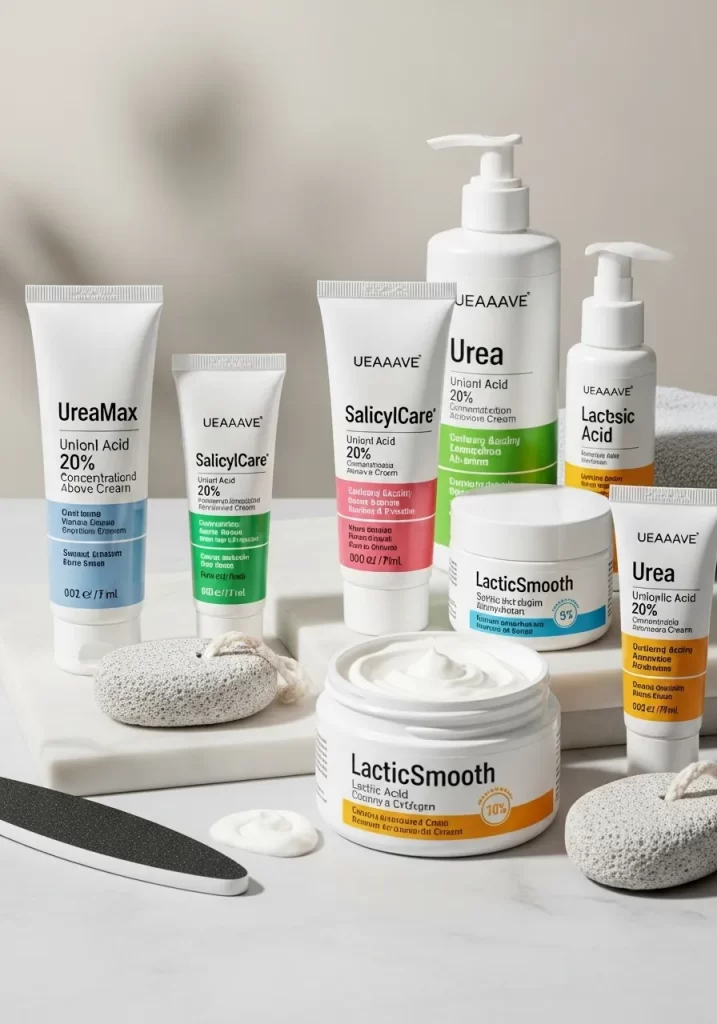
Sometimes, dryness on the body isn’t just about a lack of moisture. It can involve a build-up of dead skin cells that cause rough patches, bumps (like Keratosis Pilaris), or very thick, flaky skin on areas like the feet. For these concerns, specific acid-based treatments can be very effective.
Products containing urea, lactic acid, and salicylic acid are particularly useful. Urea and lactic acid are excellent for both hydrating and exfoliating the skin. Salicylic acid, which is oil-soluble, is great for helping to clear out any clogged pores that might be contributing to bumps on the skin. Using these targeted treatments can dramatically smooth and soften stubborn areas.
DIY Soothing and Exfoliating Foot Scrub
This scrub uses salt for physical exfoliation and adds oil for deep moisturization, helping to soften rough feet.
What You Will Need:
- 1/2 cup of coarse sea salt or Epsom salt.
- 1/4 cup of olive or coconut oil.
- A few drops of peppermint essential oil (optional, for a cooling feel).
- A bowl and a spoon.
Step-by-Step Guide:
- Combine Ingredients: In your bowl, pour in the salt and the oil. Add a few drops of peppermint oil if you are using it.
- Stir Together: Mix everything together with your spoon. You want the consistency of wet sand, where all the salt crystals are coated in oil.
- Use in the Bath or Shower: It’s best to use this scrub while sitting on the edge of the bathtub. Take a generous scoop of the scrub.
- Scrub Your Feet: Massage the scrub all over your feet, focusing on the heels and any other rough, calloused areas. Be firm, but don’t scrub so hard that it hurts.
- Rinse and Feel the Softness: After a minute or two of scrubbing, carefully rinse your feet with warm water. Be cautious as the oil can make the tub slippery.
- Pat Dry and Moisturize: Gently pat your feet dry. You’ll notice they already feel very soft from the oil. For an extra boost, apply a thick foot cream (especially one with urea or lactic acid) and put on a pair of cotton socks before bed.
41. Seal in Moisture with an Occlusive Layer
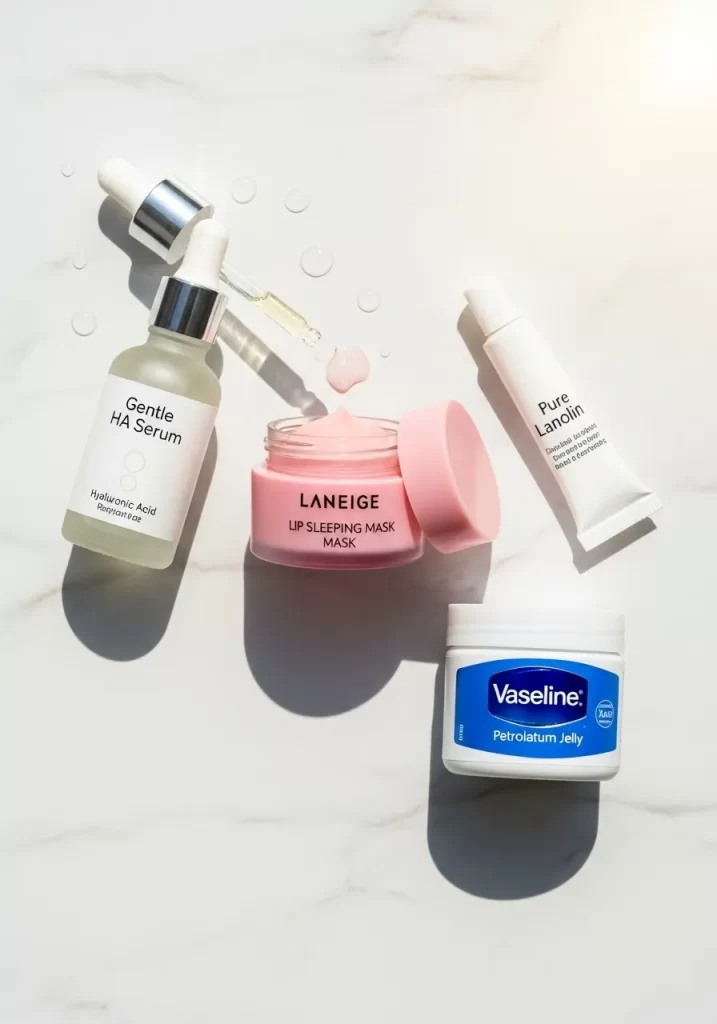
Humectants like hyaluronic acid are great at pulling moisture into your skin, but that hydration can easily escape back into the air. This is where occlusives come in. Ingredients like petrolatum, lanolin, and rich sleeping masks create a physical barrier on top of the skin.
This barrier acts like a protective seal, preventing the water in your skin from evaporating, a process known as transepidermal water loss. Applying a thin layer of an occlusive product as the very last step of your nighttime routine can dramatically increase your skin’s hydration levels by morning. It locks in all the goodness from your serums and moisturizers.
DIY Simple Brown Sugar Lip Scrub
Use this scrub to gently exfoliate your lips before applying a thick, occlusive lip mask or balm.
What You Will Need:
- 1 teaspoon of brown sugar.
- 1 teaspoon of honey.
- A few drops of olive or coconut oil.
- A small dish.
Step-by-Step Guide:
- Mix the Ingredients: In your small dish, combine the brown sugar and honey.
- Add a Little Oil: Add just a few drops of oil to the mixture. This helps the scrub glide smoothly and adds extra moisture.
- Stir It Up: Stir everything together until you have a thick, grainy paste.
- Gently Scrub: Take a small amount of the scrub on your fingertip. Gently massage it onto your lips in a circular motion for about 30 seconds. Do not press too hard.
- Rinse or Lick Off: You can rinse the scrub off with lukewarm water or simply lick the sweet mixture away.
- Seal the Deal: Pat your lips dry and immediately apply a thick layer of your favorite lip balm or sleeping mask to seal in the moisture.
42. Protect Your Skin Barrier with Antioxidants
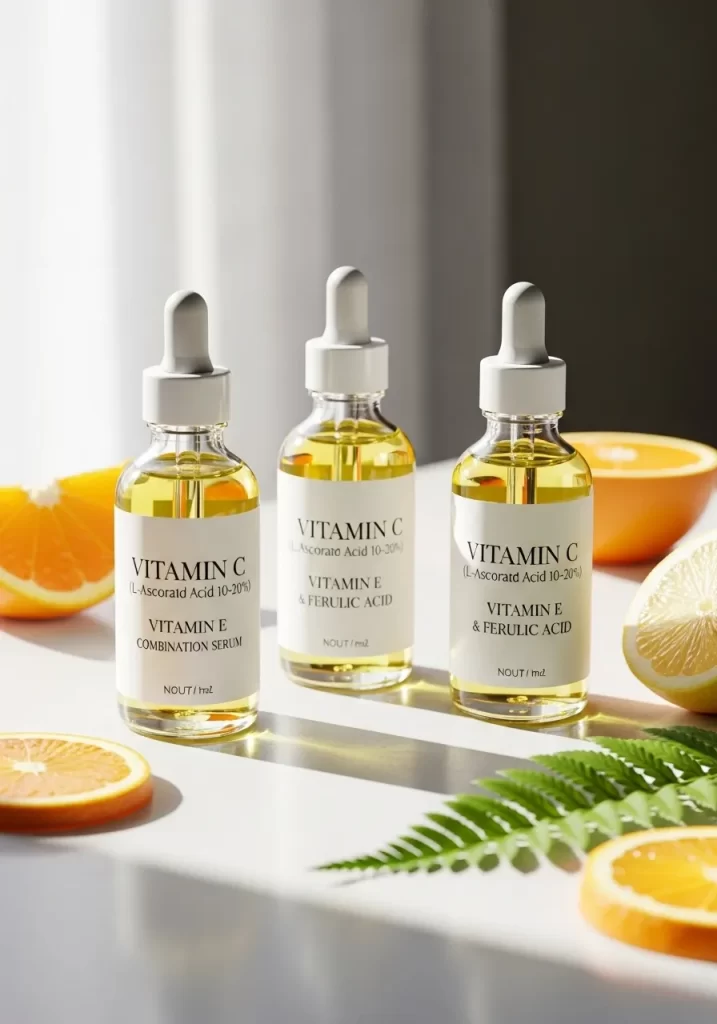
Your skin is constantly defending itself from environmental damage caused by things like UV rays and pollution. This damage can weaken your skin’s moisture barrier, making it harder for it to hold onto water. Antioxidants are like your skin’s personal bodyguards.
Ingredients like Vitamin C, Vitamin E, and Ferulic Acid are powerful antioxidants. They work by neutralizing the harmful free radicals that cause this environmental damage. Using a serum with these ingredients, especially in the morning before your sunscreen, provides an extra layer of protection. This helps to keep your skin barrier strong and resilient, which is essential for preventing moisture loss.
DIY Antioxidant-Rich Fruit Bowl
Making a stable antioxidant serum at home is very difficult and not recommended. Instead, you can easily feed your skin from the inside with this delicious fruit bowl.
What You Will Need:
- A handful of blueberries (rich in antioxidants).
- A few slices of orange or a kiwi (packed with Vitamin C).
- A small handful of almonds or sunflower seeds (a great source of Vitamin E).
- A bowl.
Step-by-Step Guide:
- Wash Your Fruit: Gently rinse the blueberries and slice up your orange or kiwi.
- Combine in a Bowl: Place all of your fresh fruit into the bowl.
- Add a Healthy Crunch: Sprinkle the almonds or sunflower seeds over the top of the fruit.
- Enjoy a Healthy Snack: Eat and enjoy! This simple snack provides your body with the powerful antioxidants it needs to help protect your skin from the inside out.
43. Avoid Sulfates in All Your Products

Sulfates are strong detergents used in many products, like shampoos and body washes, to create a rich, bubbly lather. While they clean effectively, they can be too harsh for the skin, stripping away its natural protective oils. This can lead to dryness and irritation.
Even if you use a sulfate-free face wash, the shampoo you use in the shower can run down your face and body, causing dryness. Switching to sulfate-free formulas for your shampoo, conditioner, and body wash can make a surprising difference. These gentler products clean your hair and body without disrupting your skin’s delicate moisture barrier from head to toe.
DIY Gentle Coconut Milk Hair Rinse
This simple rinse can help to gently clean and condition your hair without the use of any harsh detergents.
What You Will Need:
- 1/2 cup of full-fat canned coconut milk.
- 1 teaspoon of apple cider vinegar.
- A squeeze bottle or a cup.
Step-by-Step Guide:
- Mix the Ingredients: In your squeeze bottle or cup, combine the coconut milk and the apple cider vinegar. The vinegar helps to balance the pH of your scalp.
- Shake or Stir: If you are using a bottle, shake it well. If you are using a cup, stir it until everything is combined.
- Use in the Shower: After wetting your hair in the shower, slowly pour the coconut milk mixture over your scalp and hair.
- Gently Massage: Use your fingertips to gently massage the mixture into your scalp for a minute or two, just like you would with regular shampoo.
- Let it Sit (Optional): You can let the mixture sit on your hair for a few minutes for some extra conditioning.
- Rinse Thoroughly: Rinse your hair very well with lukewarm water until all of the coconut milk is gone. Your hair will feel soft and clean.
44. Manage Stress to Reduce Skin Dryness

The connection between your mind and your skin is very real. When you are stressed, your body produces more of a hormone called cortisol. High levels of cortisol over a long period can have a negative impact on your skin, including damaging its protective barrier.
A weakened barrier is less effective at retaining water, which leads directly to dryness and increased sensitivity. Finding healthy ways to manage your stress is a form of skincare. Practices like meditation, deep breathing, gentle yoga, or even just taking a quiet walk in nature can help lower your cortisol levels. A calmer mind can lead to calmer, more hydrated skin.
DIY 5-Minute Calming Breathing Exercise
You can do this simple exercise anywhere to help calm your mind and lower stress levels.
What You Will Need:
- A quiet place where you can sit comfortably for five minutes.
Step-by-Step Guide:
- Find a Comfortable Seat: Sit down on a chair with your feet flat on the floor, or sit cross-legged on a cushion. Rest your hands gently on your knees and sit up straight but in a relaxed way.
- Close Your Eyes: Gently close your eyes. This helps you to focus inward.
- Just Notice Your Breath: For the first minute, do not try to change anything. Just pay attention to the feeling of your breath coming in and going out. Notice how your belly and chest rise and fall.
- Start to Count: Now, begin to slowly count your breaths. Inhale through your nose for a count of four. One… two… three… four.
- Hold and Exhale: Gently hold your breath for a count of four. Then, slowly exhale through your mouth for a count of six. One… two… three… four… five… six.
- Repeat: Continue this pattern: breathe in for four, hold for four, and breathe out for six. Do this for the next few minutes. If your mind wanders, gently bring your focus back to counting your breath. When you are done, slowly open your eyes.
45. Prioritize Sleep for Skin Repair

They don’t call it “beauty sleep” for nothing. While you are sleeping, your body goes into repair mode, and this is especially true for your skin. During deep sleep, your body increases blood flow to the skin and works to rebuild its collagen and repair damage from the day.
When you don’t get enough quality sleep, your body doesn’t have enough time to perform these essential repair processes. This can lead to a weakened skin barrier, which struggles to hold onto moisture. Consistently getting 7-9 hours of quality sleep per night is one of the most effective things you can do to support your skin’s ability to stay hydrated and healthy.
DIY Calming Bedtime Tea
This simple, caffeine-free tea can help you relax and unwind before you go to sleep.
What You Will Need:
- 1 chamomile tea bag.
- A few fresh mint leaves (optional).
- A mug and hot water.
Step-by-Step Guide:
- Boil Your Water: Heat up a cup of water until it is hot but not boiling.
- Prepare Your Mug: Place the chamomile tea bag and the fresh mint leaves (if you are using them) into your favorite mug.
- Pour and Steep: Pour the hot water over the tea bag and mint. Let the tea steep for about 5-7 minutes. The longer it steeps, the stronger the flavor will be.
- Remove and Relax: Take out the tea bag and mint leaves.
- Sip and Unwind: Find a comfortable spot to sit and slowly sip your warm tea. Try to avoid looking at screens like your phone or TV while you drink it. Let the warm, soothing drink help you relax and prepare for a good night’s sleep.
46. Switch to Gentle Laundry Products
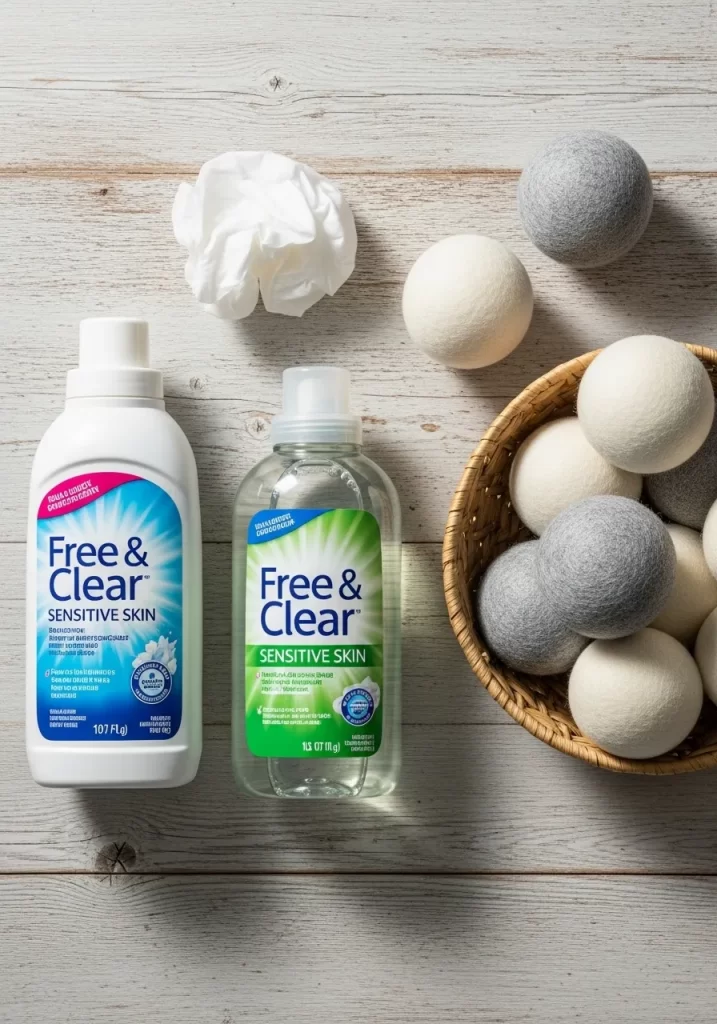
It’s easy to forget that everything our skin touches can have an effect on it. The laundry detergent you use for your clothes, bedding, and towels can leave behind a chemical residue. For people with dry, sensitive skin, the harsh detergents and artificial fragrances in many laundry products can be a major source of irritation and itching.
Switching to a gentle, fragrance-free, and dye-free laundry detergent can make a big difference. Also, consider skipping liquid fabric softeners and dryer sheets, which coat fabrics in chemicals and fragrance. A great alternative is to use wool dryer balls, which soften clothes naturally without any irritating additives.
DIY Scented Wool Dryer Balls
This is a way to add a very gentle, natural scent to your laundry without using harsh, artificial fragrances.
What You Will Need:
- 3-4 wool dryer balls.
- A gentle essential oil, like lavender or chamomile.
Step-by-Step Guide:
- Get Your Dryer Balls Ready: Make sure your wool dryer balls are clean and dry.
- Add a Few Drops of Oil: Take one dryer ball and put 2-3 drops of your chosen essential oil directly onto it. Do this for each of the dryer balls you plan to use.
- Let the Oil Absorb: Set the dryer balls aside for about an hour. This gives the wool time to absorb the oil, which will help the scent last longer and distribute more evenly.
- Toss Them in the Dryer: Put your wet, clean clothes into the dryer and toss the scented wool dryer balls in with them.
- Dry as Usual: Run your dryer on its normal cycle. The dryer balls will bounce around, helping to soften your clothes, reduce static, and leave them with a very light, natural, and non-irritating scent.
47. Strengthen Your Barrier with Niacinamide
Niacinamide, also known as Vitamin B3, is a true skincare superstar, especially for those with a compromised moisture barrier. It is a versatile ingredient that works with your skin’s natural substances to help visibly improve its health.
One of niacinamide’s most important jobs is to help your skin produce more ceramides. Ceramides are the fatty lipids that are a major component of your skin’s barrier, acting like the “mortar” between your skin cell “bricks.” By boosting ceramide production, niacinamide directly helps to strengthen your skin barrier. A stronger barrier is much more effective at preventing water loss and keeping irritants out.
DIY Gentle Rice Water and Honey Toner
Rice is a natural source of B vitamins. This toner is a gentle way to deliver some of those benefits to your skin.
What You Will Need:
- 1/2 cup of uncooked rice.
- 1 cup of water.
- 1 teaspoon of honey.
- A bowl, a sieve, and a clean bottle.
Step-by-Step Guide:
- Rinse and Soak the Rice: Quickly rinse the rice under cool water. Then, place the rice in a bowl with the cup of water and let it soak for 30 minutes.
- Create the Rice Water: After soaking, swirl the rice and water with your fingers. The water will turn milky. Strain this milky water into a clean bowl or jar.
- Add the Honey: Add the teaspoon of honey to the rice water.
- Stir to Dissolve: Stir the mixture until the honey is completely dissolved into the rice water. Honey is a great humectant, which helps to attract moisture.
- Bottle and Store: Pour your finished toner into a clean bottle. Store it in the refrigerator and use it within one week. Apply it with a cotton pad after cleansing and before your moisturizer.
48. Calm and Repair with Cica and Panthenol
When your skin barrier is damaged, it often becomes red, irritated, and uncomfortable. To get it back to a healthy state, you need ingredients that are both soothing and repairing. Two of the best for this job are Centella Asiatica (often called Cica) and Panthenol (Pro-Vitamin B5).
Cica is an ancient medicinal herb known for its incredible calming and wound-healing properties. It helps to reduce inflammation and supports the skin’s restorative processes. Panthenol is both a humectant (it draws in moisture) and an emollient (it softens the skin). It works to soothe irritation and helps to accelerate the healing of a damaged barrier. Products containing these ingredients are like a comforting hug for stressed-out skin.
DIY Calming Green Tea and Aloe Mask
This mask combines the anti-inflammatory properties of green tea with the soothing power of aloe vera.
What You Will Need:
- 1 green tea bag.
- 1/4 cup of hot water.
- 2 tablespoons of pure aloe vera gel.
- A small bowl.
Step-by-Step Guide:
- Brew a Strong Tea: Place the green tea bag in a mug or bowl and pour the hot water over it. Let it steep for at least 10 minutes to make the tea very strong and concentrated.
- Let it Cool Completely: This is a very important step. Remove the tea bag and let the tea cool down all the way to room temperature. You can place it in the fridge to speed this up.
- Combine with Aloe: In your small bowl, mix the 2 tablespoons of aloe vera gel with about 1 tablespoon of the cooled green tea.
- Stir into a Gel: Stir the aloe and tea together until you have a smooth, light green gel mask.
- Apply and Soothe: Apply a layer of the cool gel to your clean face.
- Relax and Rinse: Let the mask sit for 15-20 minutes. It will feel very cooling and soothing. Rinse it off with cool water and pat your skin dry.
49. Moisturize Your Body Immediately After Bathing
The few minutes right after you step out of the shower or bath are the most critical for combating dry skin on your body. When your skin is wet, it is saturated with water. However, as that water evaporates into the air, it can pull even more moisture from your skin along with it, leaving it drier than before.
The trick is to trap that water on your skin. After your shower, gently pat yourself with a towel so your skin is still damp, not completely dry. Immediately apply a generous layer of your body lotion or cream. The moisturizer will lock in the water that’s on the surface of your skin, keeping it hydrated, soft, and comfortable for hours.
DIY In-Shower Body Moisturizer
This simple mixture is designed to be used on wet skin at the end of your shower to lock in moisture quickly.
What You Will Need:
- 1/2 cup of a simple, lightweight, fragrance-free body lotion.
- 2 tablespoons of a skin-friendly oil (like sweet almond or sunflower oil).
- A clean plastic squeeze bottle.
Step-by-Step Guide:
- Combine in the Bottle: Squeeze the body lotion into your clean plastic bottle. A funnel can make this much easier.
- Add the Oil: Pour the oil into the bottle with the lotion.
- Shake Vigorously: Put the cap on the bottle and shake it very, very well. You want the oil to be completely mixed into the lotion, making it a thinner, more spreadable consistency.
- How to Use: At the very end of your shower, after you have turned the water off but while you are still wet, squeeze some of the mixture into your hands.
- Apply to Wet Skin: Rub the lotion all over your body, on your wet skin.
- Quickly Rinse (Optional): You can choose to do a very quick, light rinse with water, or you can just proceed to the next step.
- Pat Dry: Gently pat your skin dry with a towel. The mixture will leave behind a thin layer of moisture without feeling heavy or greasy.
50. Add a Hydrating Fermented Essence
An essence is a skincare step that falls between a toner and a serum. These products typically have a watery, lightweight texture and are designed to deliver a concentrated dose of ingredients to the skin to prepare it for your other products.
Essences made with fermented ingredients, like galactomyces ferment filtrate, are particularly beneficial for dry skin. The fermentation process breaks down the ingredients into smaller, more potent molecules that the skin can easily absorb. These essences provide a deep layer of hydration and are packed with vitamins and amino acids that help to nourish the skin and support a healthy barrier, resulting in a brighter and more supple complexion.
DIY Simple Kombucha Skin Toner
Kombucha is a fermented tea that is rich in probiotics and healthy acids. When diluted, it can be used as a simple toner.
What You Will Need:
- 1 tablespoon of plain, unflavored, unpasteurized kombucha.
- 1/2 cup of distilled water or cooled green tea.
- A clean bottle.
Step-by-Step Guide:
- Get Your Kombucha: Make sure you are using plain kombucha, not one with added fruit juices or a lot of sugar. It must say “unpasteurized” or “raw” so it still has the beneficial properties.
- Dilute it Well: In your clean bottle, combine the 1 tablespoon of kombucha with the 1/2 cup of distilled water or cooled tea. It is very important to dilute it, as kombucha is too acidic to be used on its own.
- Shake to Combine: Put the cap on the bottle and give it a gentle shake.
- Store and Patch Test: Store your toner in the refrigerator. Before you use it on your face for the first time, do a patch test. Apply a small amount to your inner arm and wait 24 hours to make sure your skin is happy with it.
- How to Use: Apply the toner to your face with a cotton pad after cleansing. Let it dry, and then follow with the rest of your skincare routine. Use it up within one week.
51. Limit Dehydrating Drinks Like Alcohol and Caffeine

What you drink can have a significant impact on your skin’s hydration levels. Beverages like alcohol and caffeine are diuretics. This means they cause your body to lose more water through urination than you are taking in. This internal dehydration can show up on your skin, leaving it looking dull, feeling tight, and emphasizing fine lines.
While you do not need to cut them out completely, being mindful of your intake can help. Try to balance each caffeinated or alcoholic drink with a glass of water. This helps to counteract the dehydrating effects and supports your body’s overall hydration, which is essential for maintaining a plump, healthy-looking complexion from the inside out.
DIY Hydrating “Spa Water”
This refreshing drink is a delicious way to stay hydrated and get some extra nutrients for your skin.
What You Will Need:
- A large pitcher.
- Water.
- A few slices of cucumber.
- A few slices of lemon or orange.
- A few fresh mint leaves.
Step-by-Step Guide:
- Prepare Your Ingredients: Wash your cucumber, lemon, and mint leaves very well. Thinly slice the cucumber and the lemon.
- Combine in the Pitcher: Place the cucumber slices, lemon slices, and mint leaves at the bottom of your pitcher.
- Add Water: Fill the pitcher with cool, fresh water.
- Let it Infuse: Place the pitcher in the refrigerator for at least one hour. This gives the water time to pick up the subtle, refreshing flavors from the fruit and herbs.
- Serve and Enjoy: Pour the infused water into a glass and enjoy it throughout the day. It feels like a special treat and makes it much easier to drink enough water. You can refill the pitcher with water a few times before the flavors start to fade.
52. Start the Day with a Gentle Cleanse and Mist
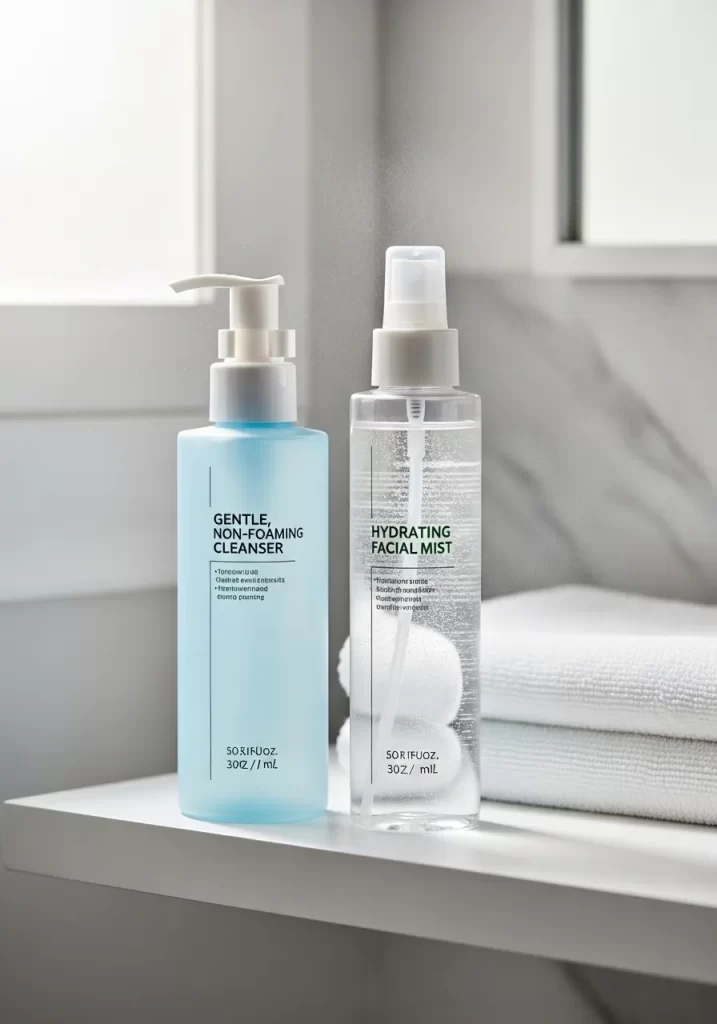
Your skin can lose a surprising amount of water while you sleep, a process known as nocturnal transepidermal water loss. Waking up with skin that feels a little tight or dry is very common. The first steps of your morning routine are a great opportunity to replenish this lost moisture.
Start with a very gentle, non-foaming cleanser to wash away any sweat or oils from the night without stripping the skin. Immediately after patting your skin damp, spritz your face generously with a hydrating facial mist. This gives your skin an instant drink of water and preps it to better absorb the serums and moisturizer that you apply next.
DIY Soothing Chamomile Tea Mist
This simple mist is very calming and helps to add a light layer of hydration to the skin.
What You Will Need:
- 1 chamomile tea bag.
- 1 cup of distilled water.
- A clean, empty spray bottle.
Step-by-Step Guide:
- Boil the Water: Heat the distilled water until it is hot.
- Brew a Strong Tea: Pour the hot water into a mug and add the chamomile tea bag. Let it steep for at least 10 minutes to make the tea nice and strong.
- Cool Completely: This is the most important step. Remove the tea bag and let the tea cool all the way down to room temperature. You can put it in the fridge to speed this up.
- Fill Your Bottle: Once the tea is completely cool, carefully pour it into your clean spray bottle.
- Store and Use: Keep your mist in the refrigerator. It will last for about a week. After cleansing in the morning, close your eyes and spritz it all over your face. Let it sink in for a moment before applying your serum or moisturizer.
53. Use Pure Aloe Vera for Soothing Hydration

Aloe vera is a classic skincare remedy for good reason. The gel from inside the aloe plant is made up of over 99% water, making it an excellent source of lightweight hydration. It is much more than just water, though. Aloe is also packed with vitamins, minerals, and amino acids.
These compounds give aloe its famous soothing properties. It helps to calm inflammation, reduce redness, and provide instant relief to skin that feels irritated, tight, or uncomfortable. For dry and sensitive skin, pure aloe vera gel can be a wonderful, gentle hydrator that helps to comfort the skin while providing a boost of moisture without feeling heavy or greasy.
DIY Simple Soothing Aloe and Honey Mask
This two-ingredient mask is incredibly gentle and helps to both calm and hydrate the skin.
What You Will Need:
- 2 tablespoons of 100% pure aloe vera gel.
- 1 tablespoon of raw honey.
- A small bowl.
Step-by-Step Guide:
- Choose Your Aloe: Spoon the aloe vera gel into your bowl. Make sure the label says it is 100% pure gel, without any added alcohol or fragrance, which can be irritating.
- Add the Honey: Drizzle the honey into the bowl with the aloe.
- Mix Them Together: Stir the aloe and honey together until they are well combined into a smooth, slightly sticky gel.
- Apply a Thin Layer: Using your clean fingers, apply a thin layer of the mask all over your clean face.
- Relax and Let it Soothe: Let the mask sit on your skin for 15-20 minutes. It will feel very cool and calming.
- Rinse Clean: Rinse the mask off thoroughly with lukewarm water and pat your skin dry with a soft towel.
54. Adjust Your Moisturizer for the Season
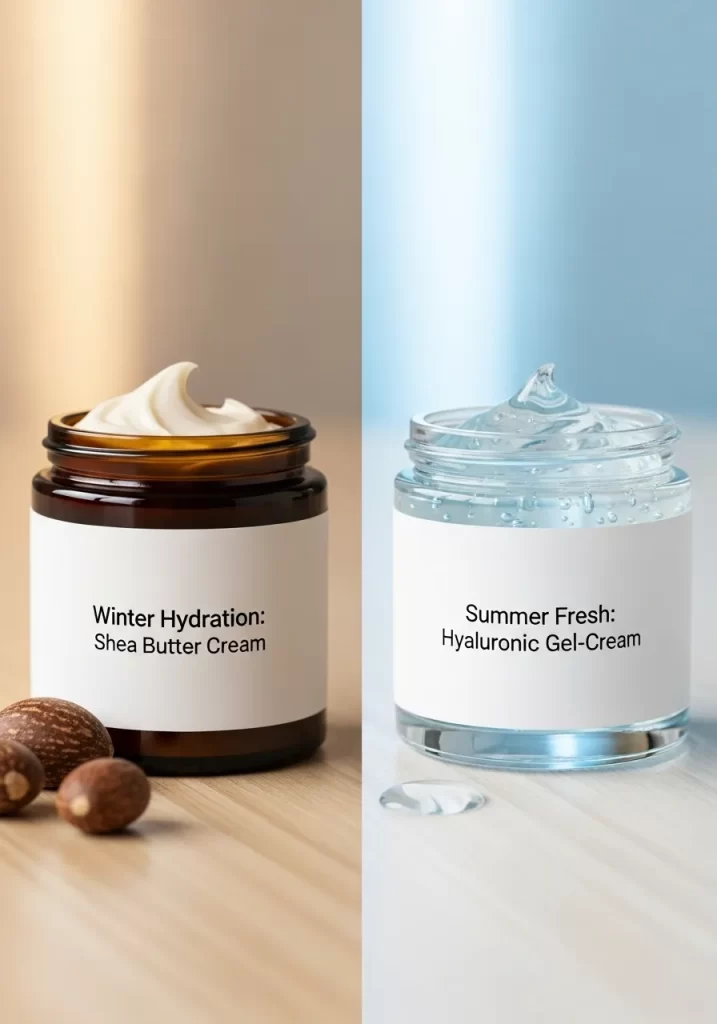
Your skin’s needs can change dramatically with the seasons. The moisturizer that works wonderfully in the humid summer months may not be enough to protect your skin during the cold, dry winter. Learning to adapt your skincare to the weather is a key strategy for keeping it balanced.
In the winter, when the air is dry and harsh, your skin benefits from a thicker, richer cream. Look for products with ingredients like shea butter and ceramides that create a strong protective barrier against the elements. In the summer, when the air is more humid, a lightweight gel or gel-cream with humectants like hyaluronic acid can provide all the hydration you need without feeling heavy or clogging pores.
DIY Whipped Shea Butter Cream
This simple cream is very rich and nourishing, great for winter. A tip is included to make it lighter for summer.
What You Will Need:
- 1/2 cup of raw shea butter.
- 2 tablespoons of a liquid oil (like almond or jojoba oil).
- An electric hand mixer or a whisk.
- A clean jar.
Step-by-Step Guide:
- Soften the Shea Butter: Gently melt the shea butter in a heat-safe bowl over a pot of simmering water until it is very soft but not a complete liquid.
- Add the Oil: Pour the liquid oil into the bowl with the soft shea butter.
- Whip It Up: Use your electric mixer to whip the oils together. Keep whipping for 3-5 minutes. The mixture will turn a pale white color and become light, fluffy, and airy, like frosting.
- Store It: Spoon your finished whipped cream into a clean jar.
- Summer Variation Tip: To make a lighter version for warmer months, you can whip in 2-3 tablespoons of pure aloe vera gel after you have finished whipping the oils.
55. Explore Injectable Moisturizers for Deep Hydration

For some people with chronically dry and dehydrated skin, even the best topical products struggle to provide long-lasting relief. A newer category of professional treatments, sometimes called skin boosters or injectable moisturizers, can offer a solution.
These treatments involve a dermatologist using very fine needles to inject micro-droplets of a thin, liquid-like hyaluronic acid formula just beneath the skin’s surface. This delivers hydration directly to the deeper layers of the skin in a way that creams and serums cannot. The result is not about changing your face shape, but about providing a deep, long-lasting improvement in skin hydration, smoothness, and overall glow.
DIY Plumping Facial Massage
You cannot inject anything at home, but this simple massage can help to boost circulation and give your skin a temporary plump, glowing look.
What You Will Need:
- Your clean hands.
- A few drops of your favorite facial oil or a slippery serum.
Step-by-Step Guide:
- Prep Your Skin: Start with a clean face. Apply a few drops of your facial oil or serum to your skin. This helps your fingers glide without pulling.
- Use Gentle Upward Strokes: Using the flats of your fingers, gently but firmly sweep your fingers up your face. Start from your chin and sweep up to your cheekbones. Do this five times on each side.
- Circle the Eyes: Using your ring finger (it has the gentlest touch), lightly tap in a circle around your eyes. Go along your brow bone and then under your eye. This can help with puffiness.
- Lift the Brow: Place your fingertips just above your eyebrows. Gently press and sweep them upwards towards your hairline.
- Finish with a Gentle Pinch: Very lightly pinch the skin along your jawline, starting from your chin and moving out towards your ears. This helps to stimulate blood flow. This whole routine should only take a few minutes and will leave your skin looking refreshed and rosy.
Finding relief from dry, flaky skin is not about a single miracle product. It is about building a consistent, gentle routine that respects and supports your skin’s natural barrier. Lasting comfort comes from a thoughtful approach that combines both protection and hydration.
This journey involves what you put on your skin and how you care for your body from the inside. Simple changes to your diet, environment, and daily habits can be just as powerful as the serums you apply.
Use these 55 ways as your personal toolkit. You do not need to do them all at once. Experiment to find what works best for you and be patient with your skin. With consistent care, you can achieve a complexion that feels comfortable, looks radiant, and is truly healthy.
Key Takeaways
For a quick summary, remember these core principles to guide your journey toward hydrated skin:
- Hydration is Layered: True moisture comes from applying products from thinnest to thickest—like a mist, then a serum, then a cream—to effectively trap water in the skin.
- Protect Your Barrier at All Costs: Use gentle, non-foaming cleansers, avoid hot water, and look for barrier-repairing ingredients like ceramides and niacinamide. A healthy barrier is what holds moisture in.
- Gentle Exfoliation is Key: Remove flakes and improve product absorption with gentle chemical exfoliants like lactic acid or PHAs instead of harsh, irritating scrubs.
- Care From the Inside Out: What you eat and how you live matters. Staying hydrated, eating healthy fats, managing stress, and getting enough sleep are all essential parts of a healthy skin strategy.
- Consistency Trumps Everything: A simple routine that you follow every single day will always be more effective than using a complex routine sporadically. Give your skin time to heal and adapt.

Keep Exploring
Continue the editorial trail.